Arklow · Coast and towns
Arklow and the sea
At the mouth of the Avoca, Arklow’s bridge, maritime history, and beach all keep the river and sea in the frame.
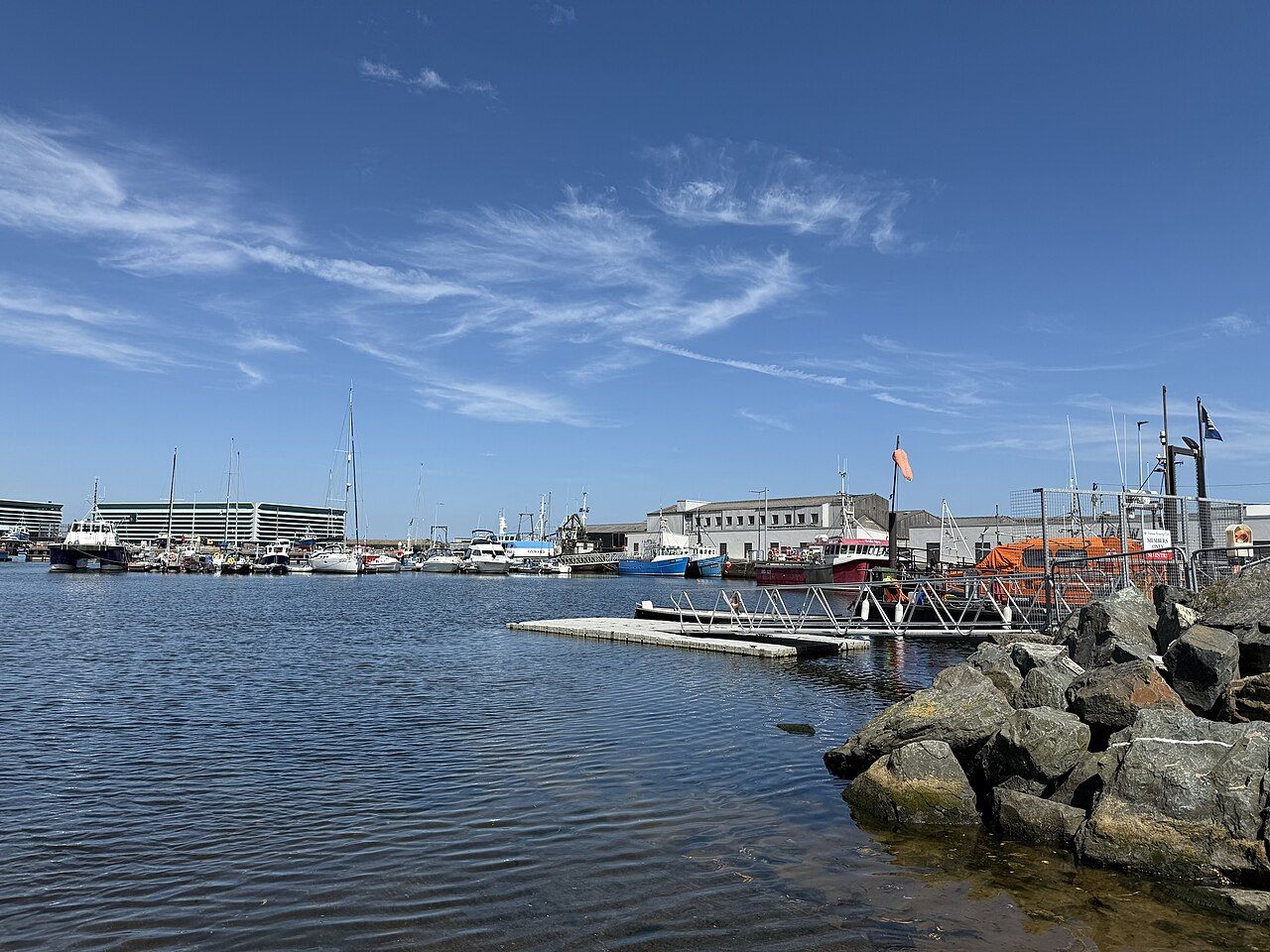
“The maritime town at the mouth of the Avoca.”
Arklow is a town at the mouth of the River Avoca in south Wicklow, where the river’s course meets the sea.
Shipbuilding and seafaring have a long history here, and that inheritance feels exactly suited to a town at this meeting point. I prefer the sense of work in that history to any grand story about the coast.
The bridge of nineteen arches crosses the Avoca, making the river crossing part of Arklow’s unmistakable shape. I like the bridge for its directness: nineteen arches, the river below, and no need for a flourish.
A battle was fought in Arklow during the 1798 rebellion. That fact gives the town another layer, but I would not have it crowd out the river or the quieter, longer story of ships and sailors.
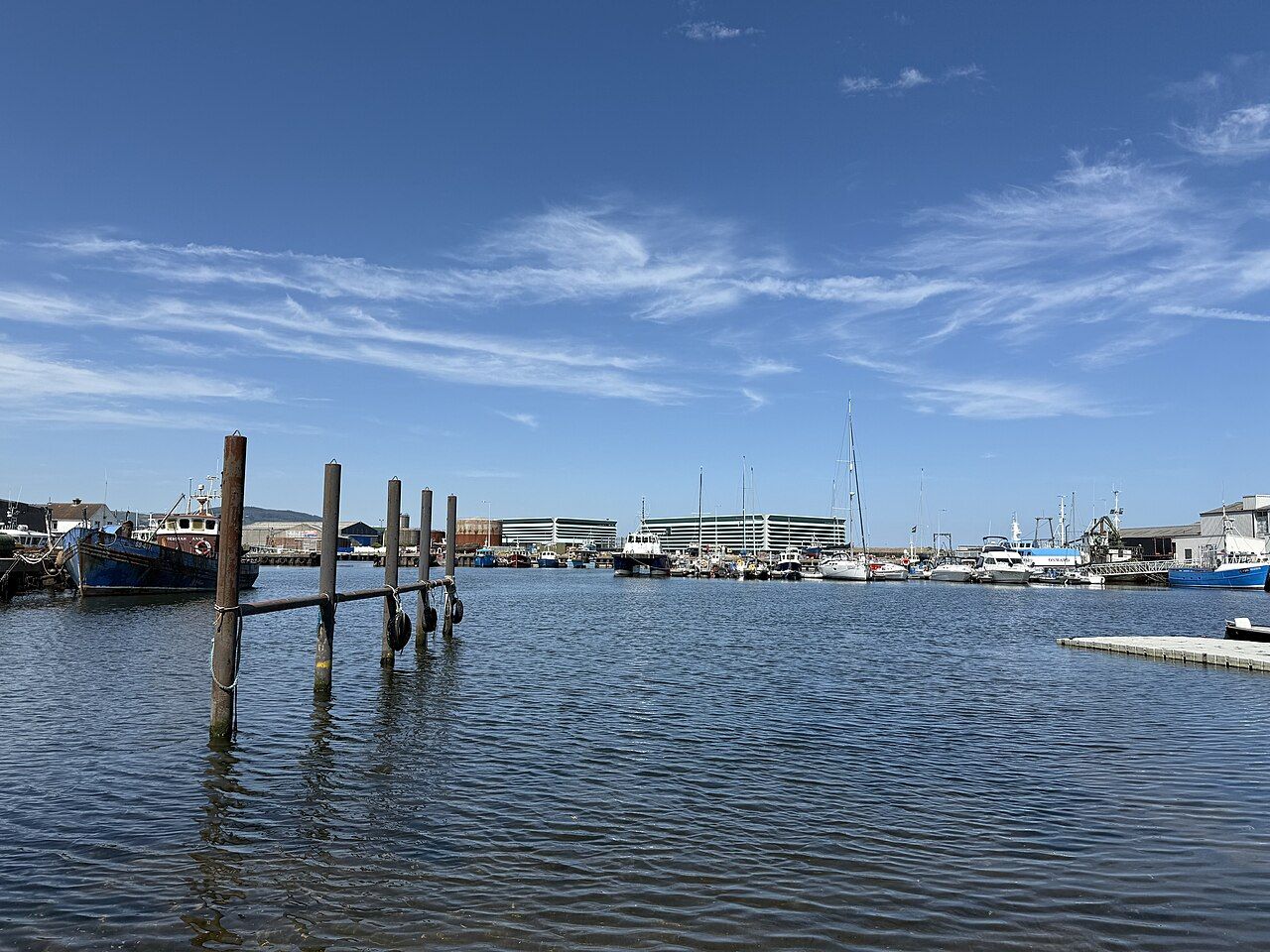
The maritime museum remembers Arklow’s ships and sailors, keeping that seafaring history close to the town itself. I like that the memory has a home of its own, rather than being left to the bridge to explain everything.
I keep Avondale and Parnell in the wider Wicklow picture, while Arklow holds my attention with its own clear pairing: river and sea. Here, the geography is not a backdrop; it is the reason the town stays in mind.
The beach runs north and south of the river mouth, a simple arrangement that gives the shore two sides to the story. I find that more appealing than a grand claim about the coast: the river meets the sea, and the beach follows both ways.
Turn to Bray, measured along the seafront
For a visitor, the town’s defining details sit close together in the story: the Avoca, the bridge, the maritime past, and the beach on either side of the mouth. I would let those details set the pace, rather than try to make Arklow stand for all of Wicklow.
Arklow’s river mouth is my favourite kind of geography: plain, consequential, and hard to mistake for anywhere else.