Wicklow Mountains National Park · Old Wicklow
How to read the mountain ground
A measured way into Wicklow’s upland: begin with the land the park protects, notice its wildlife, and finish with the information office near Glendalough’s Upper Lake.
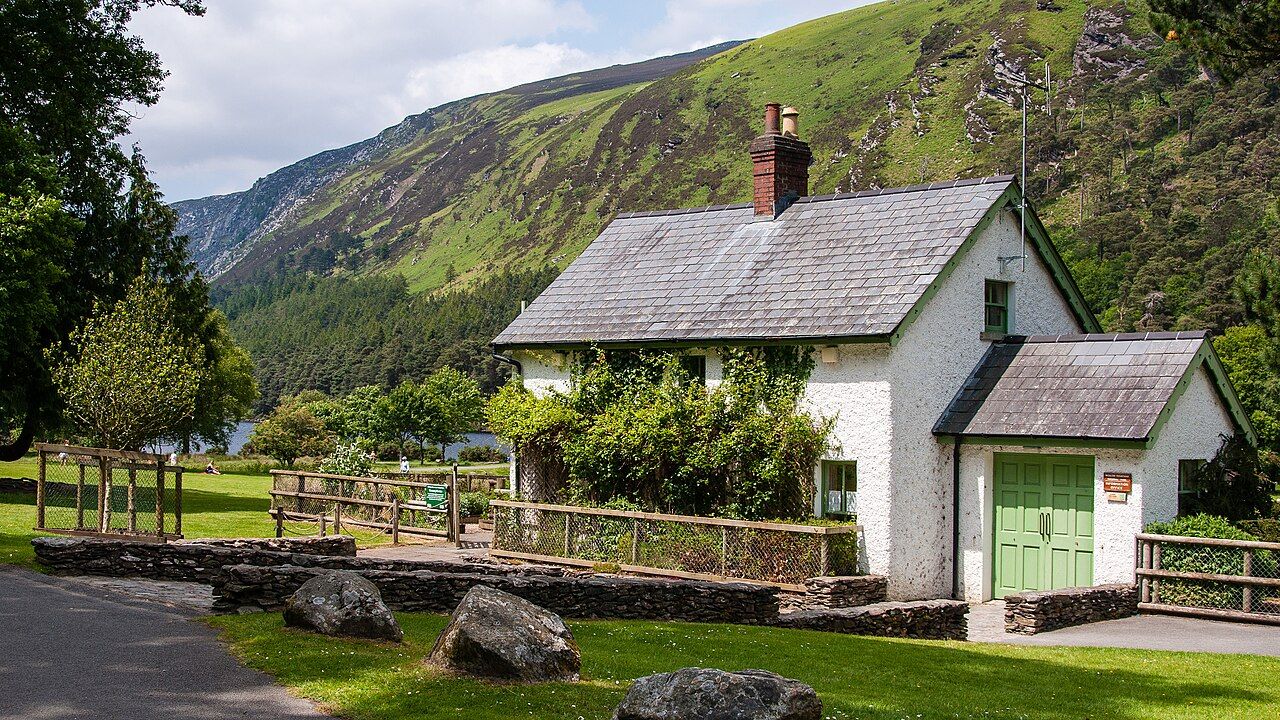
1991 is the year Wicklow Mountains National Park was established, and that date gives me a useful beginning: this is protected upland, not merely a name on a map. I would approach it in steps, letting the ground explain why the park matters before I make a list of what I hope to see.
Begin by finding the scale of the place. The park covers much of the upland of the Wicklow Mountains, including Glendalough, so I would hold those two names together rather than imagine a single, separate pocket of land. I like that breadth; it asks for attention rather than a quick verdict. The wording is plain, which is more useful than any grand introduction.
Read the habitats as the central story. The park protects blanket bog, heath, upland lakes and oak woods, a list I would take slowly instead of treating as scenery behind a walk. Each name gives the eye a different task, and the variety is the point for me. The list of habitats is the point, not a decorative inventory.
Keep wildlife in the same frame. Sika deer, peregrine falcons and red grouse live in the park; I would carry those names as possibilities, not as a promise that any particular visit will produce a sighting. I prefer that kind of attention, where looking remains worthwhile even without a result. A checklist can come along, but it does not get to run the day.
Use the access fact to set your expectations. Most of the land in the park is open to walkers, which is a substantial invitation without being a claim about every part of it. I would let that distinction stand, rather than assume the same thing of all the ground. My favourite approach is the unshowy one: walk with the landscape’s varied protections in mind.
Finish by placing the information office on your mental map: it is near the Upper Lake at Glendalough. I like having that practical fact at the end, after the habitats and wildlife have given the visit its shape. It does not need to become a grand finale; the Upper Lake is already a clear point of reference within the park.
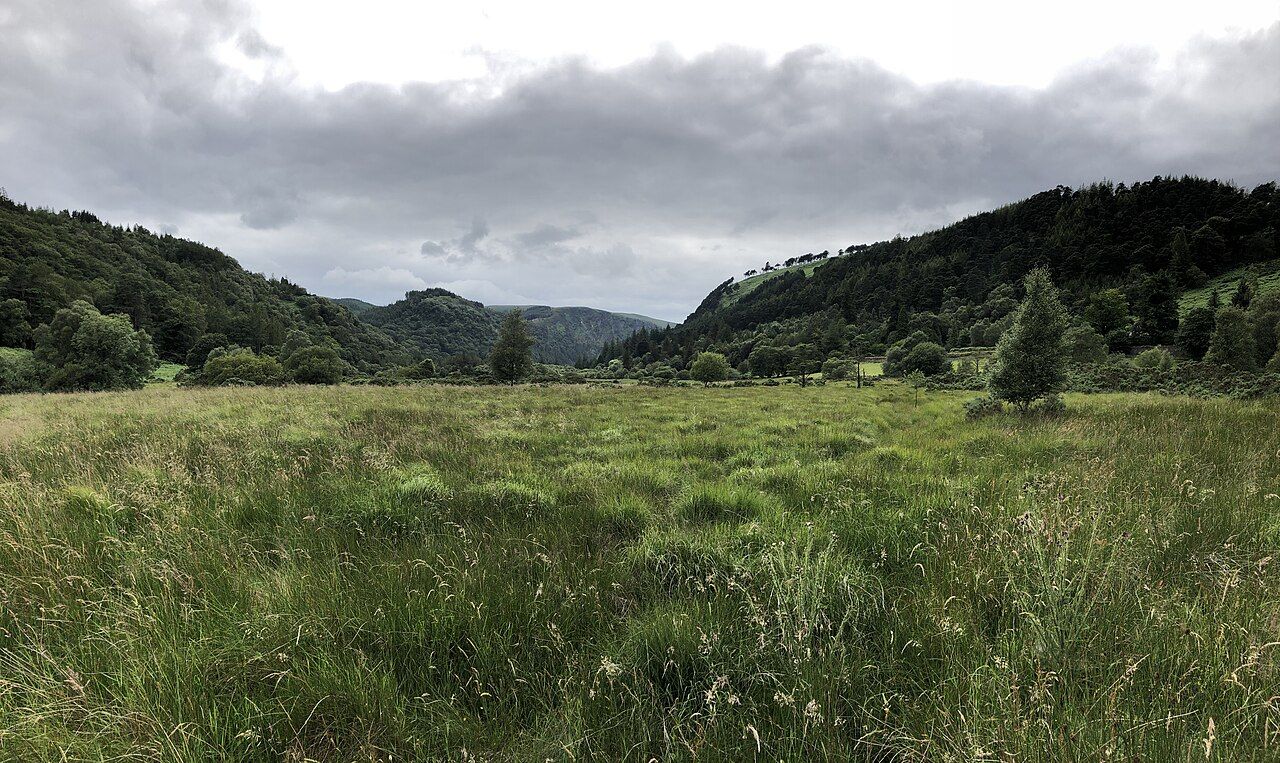
That is enough to start: recognize the protected ground, notice what it holds, and use the open land thoughtfully. What else might the mountain disclose when the list is only a beginning?
“The list of habitats is the point, not a decorative inventory.”