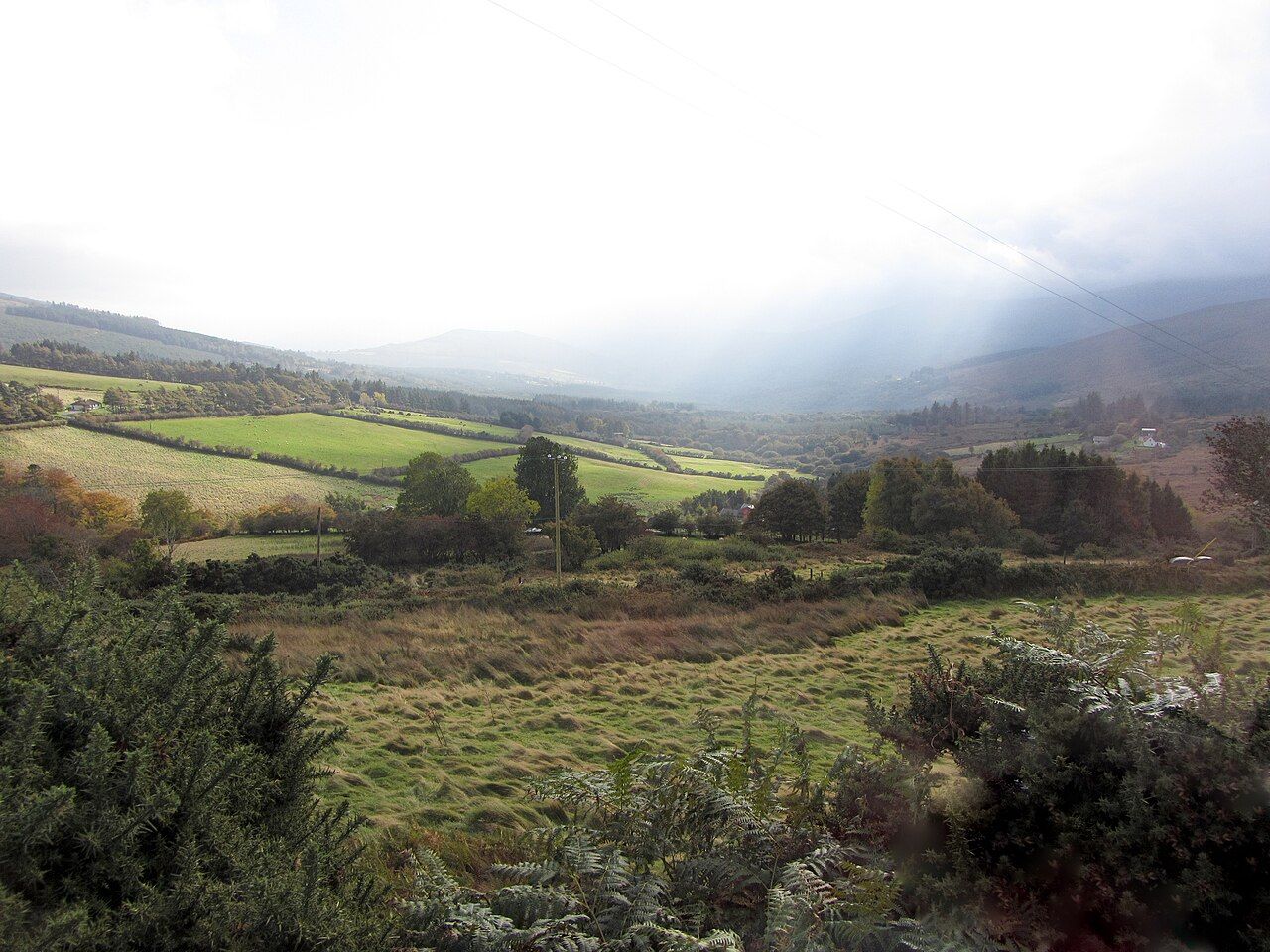
A day through Glencree’s old barracks, German War Cemetery, Lough Bray and the river, with the valley’s history setting the pace.
Down the valley from Glencree
1798. Morning is for taking in Glencree as a valley in north Wicklow, set on the Military Road, where the name and the landscape hold different kinds of history. I like an itinerary that begins with a place rather than an instruction; the valley asks for attention before it asks for interpretation.
The barracks was built here after 1798, and I would give it the first pause of the day. It is the oldest part of this account, though not the end of the story. The building later became a reformatory, then a centre for peace and reconciliation. That sequence is plain enough to follow, but it resists a tidy conclusion; each change leaves the earlier one in view. I find that more affecting than a single, settled description. The barracks is not simply a starting point, and the itinerary need not pretend that history moves in a straight line.
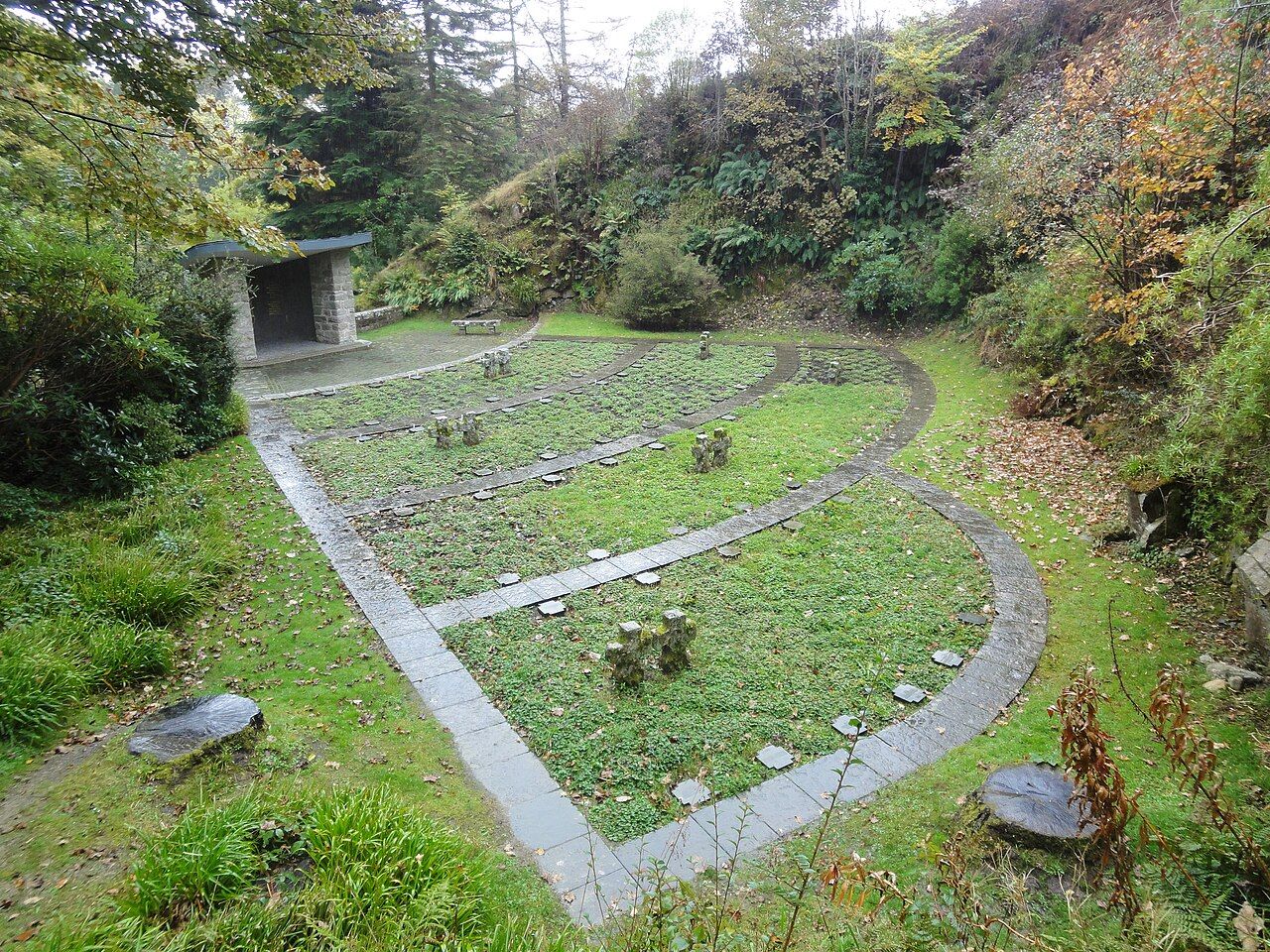
Midday belongs to the German War Cemetery at Glencree. It holds the graves of German servicemen who died in Ireland in the two world wars, and that fact asks for a different pace from the morning’s historical sequence. I would not hurry this part along to keep to an itinerary. The word cemetery already changes the tone; the graves make the history individual, even when the account can say no more about the people buried there. I have a preference for places that leave room for that silence, rather than supplying an easy finish. The valley does not resolve what its history contains, and I do not think it should be made to.
“Lough Bray lies above its head, while the Glencree river runs down towards Enniskerry.”
Late afternoon turns the attention back to the shape of the valley. Lough Bray lies above its head, while the Glencree river runs down towards Enniskerry. The movement is a simple one to follow in thought: water descending, the valley opening towards its lower end. I like this as the day’s final line, not because it explains Glencree, but because it gives the eye somewhere to travel after the cemetery’s stillness. It also keeps the itinerary from ending at the barracks, as if the building were the whole place. The valley has its own direction, and I can let that be enough for now.
Lugnaquilla Wicklow's highest belongs to a different view of Wicklow; here, my attention stays with the barracks, the graves, the water and the ground between them.
I would leave Glencree with its history still unresolved, and the river carrying the last word. What else can a valley hold without explaining it?
The German War Cemetery, Glencree