Poulaphouca · West Wicklow
Poulaphouca, the hole of the púca
A gorge on the River Liffey carries a name from Irish folklore, a waterfall from before the dam, and a spirit that refuses to keep one shape.
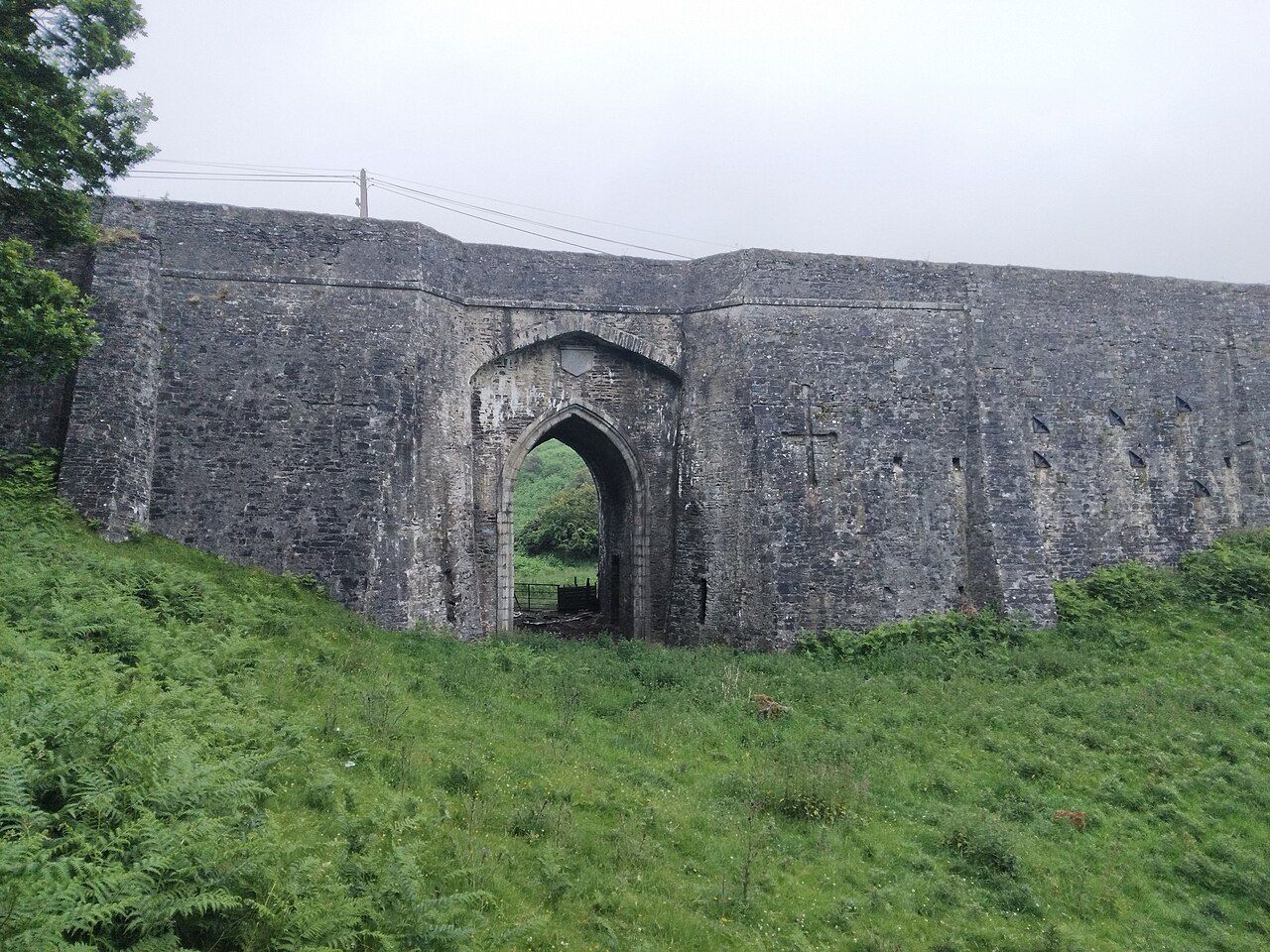
1940s: the dam and power station of the Liffey hydroelectric scheme were built at Poulaphouca, on the River Liffey, where Wicklow meets Kildare. The date gives the place a firm edge; the name pulls it back towards something less settled.
The road crosses the gorge on a bridge. I like that small certainty beside a name meaning the hole of the púca, as if the landscape were willing to offer a crossing while keeping its old uncertainty intact.
Turn to Valleymount and the drowned valley
A waterfall once fell through the gorge before the dam was built. I find myself staying with that sentence: not trying to supply the missing view, or to make the past more vivid than the facts allow, but letting the waterfall have its place in the story. I like the absence of a finished picture; it leaves room for the name.
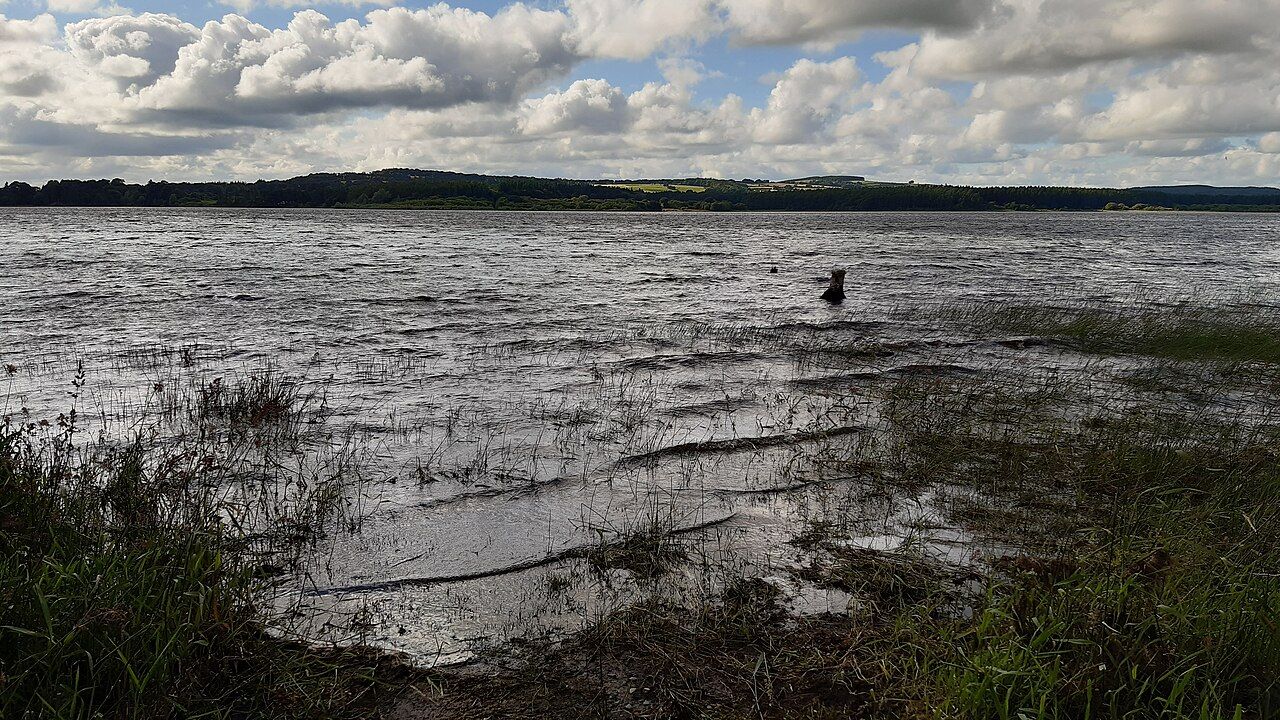
The púca is a shape-shifting spirit of Irish folklore, said to take the form of a horse, goat or hare. Three possible bodies are enough to make the name feel restless; I prefer that to a tidier explanation, though a tidy explanation would be easier on the page.
A name with a story attached can lead me elsewhere, from this hole in the gorge to Russborough and its stolen paintings, but Poulaphouca keeps drawing me back to the same question: what is a place called when its name holds a spirit?
The river, gorge, bridge, dam and power station are all plain parts of the place; the púca does not need to be proved for the name to do its work. I like the tension between a crossing built into the road and a spirit that may be a horse, goat or hare.
The waterfall is part of what came before the dam, while the púca remains in the name. Which of them gives Poulaphouca its stronger hold on the imagination?