Russborough · West Wicklow
Russborough and the paintings that were stolen
A long Palladian front, a collection brought by Sir Alfred Beit, and paintings stolen repeatedly give Russborough more than one story.
“Most were recovered.”
Russborough
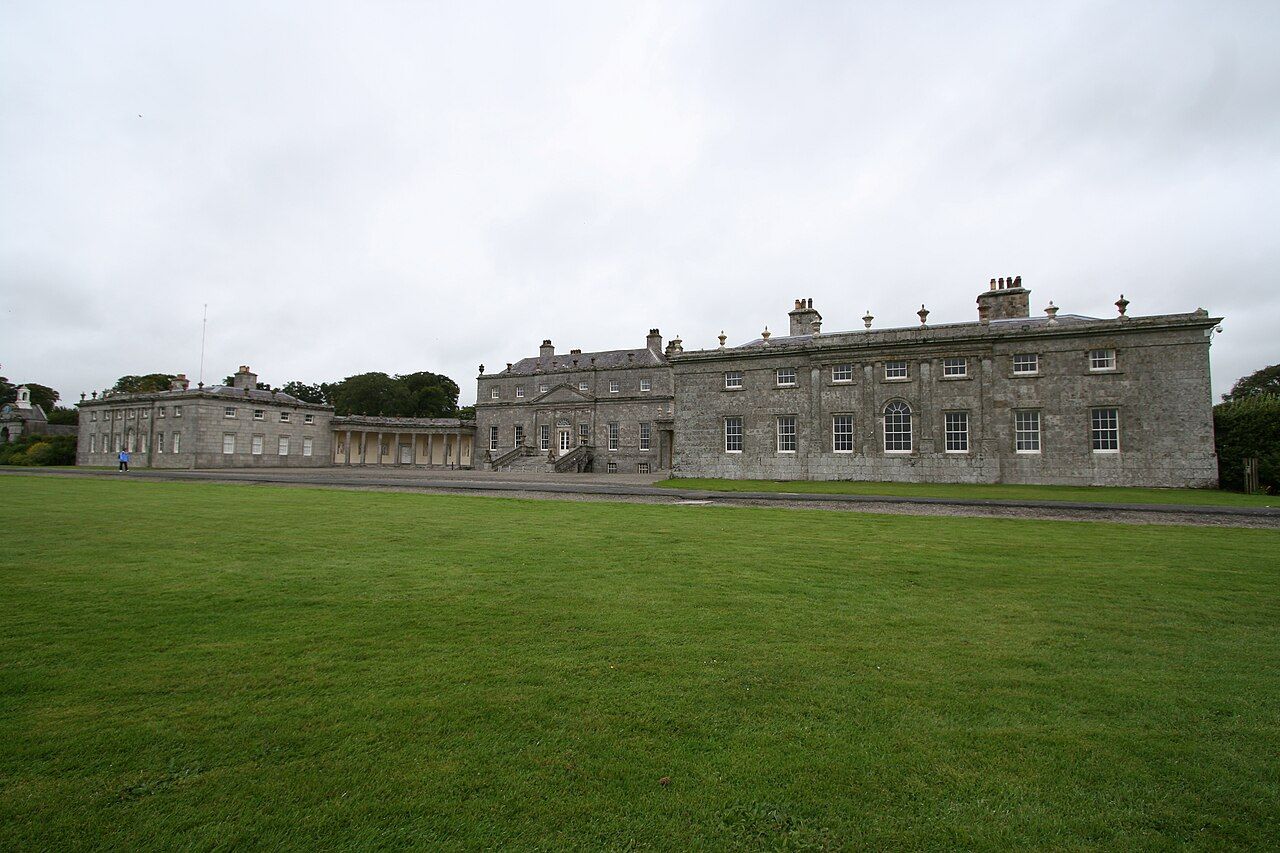
The long front is the first thing I would keep in view: curved colonnades lead out to wings on each side, giving the house a measured, almost conversational shape. I like that the architecture has room to pause between its centre and its edges; it is a strong piece of composition, and a welcome change from houses that seem to insist on being grand.
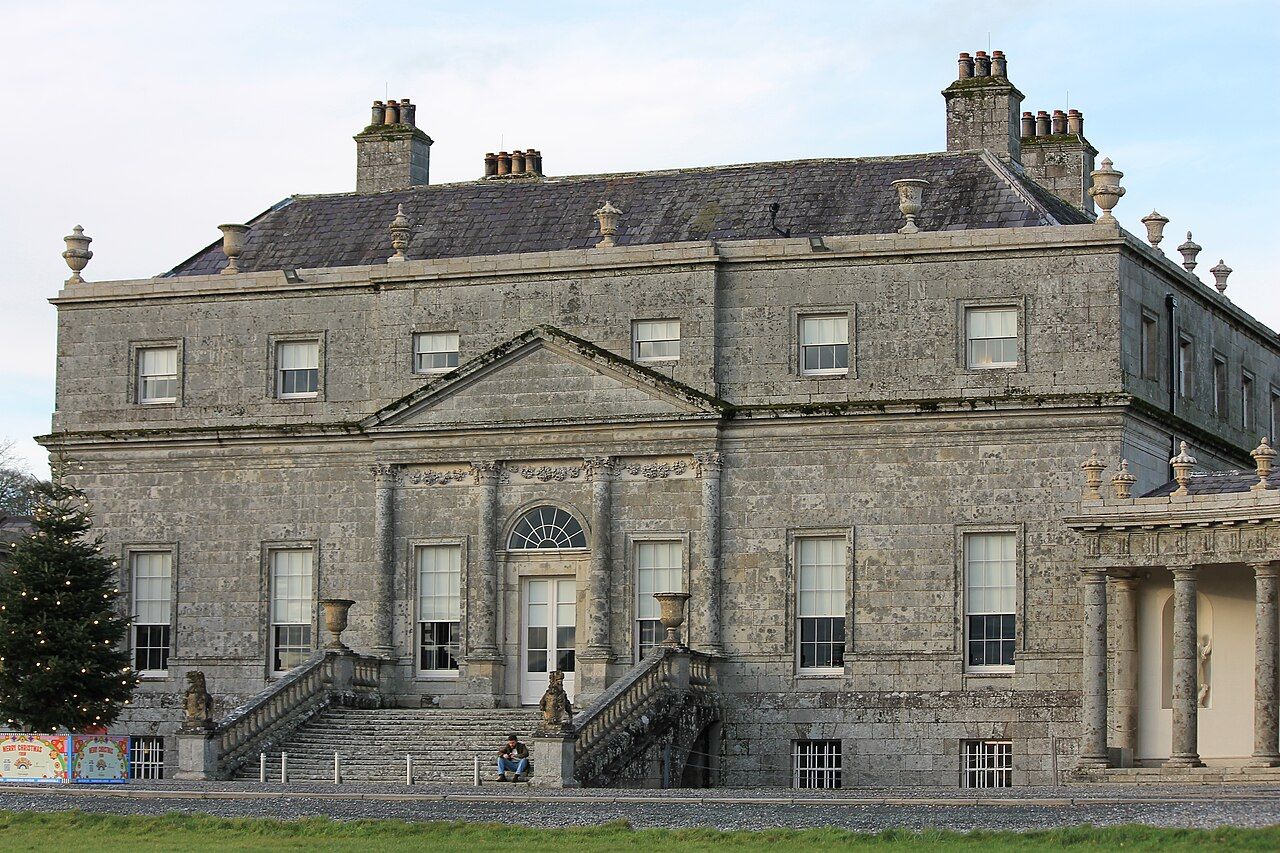
Russborough House is a Palladian country house near Blessington, built in the 1740s for Joseph Leeson, later Earl of Milltown. Richard Cassels designed it. Those facts are enough to make the building feel particular, rather than simply old: a house with a clear design and a name attached to its beginning.
From the front, I find myself following the colonnades outwards, then back again. They make the wings part of the same thought, not an afterthought; architecture, for once, does not ask me to admire every inch at the same time. My attention has limits, and I appreciate a house that seems to understand this.
There is another history here, harder to keep at the edge of the picture. Sir Alfred Beit bought the house in 1952 and brought his art collection there. Paintings were stolen from the house several times, in 1974 and 1986 and later; most were recovered.
The bare sequence has its own unsettling force. A collection brought into a house, then repeatedly taken from it: I cannot look at Russborough as architecture alone, though the long front is where my eye keeps returning. The paintings’ history changes the way I think about what a house holds, and what it can lose.
For a different sense of Wicklow’s scale, the contrast with the national park of the mountains is an appealing one. Russborough brings the eye back to a designed front and its parkland; I prefer having both kinds of landscape in mind, without pretending they tell the same story.
Turn to The Blessington lakes
Russborough’s house and parkland give the place its setting, while the long front holds my attention. The house and parkland are open to visitors, so the architecture and the story of the paintings can sit together in the same visit. I leave with the colonnades still in mind, and the uncomfortable question of how much of a house’s history belongs to what remains.