Glendalough · Glendalough
Kevin, the hermit and the blackbird
At Glendalough, a hermit’s patience became a story of eggs, prayer and pilgrimage, carried forward in a poem by Seamus Heaney.
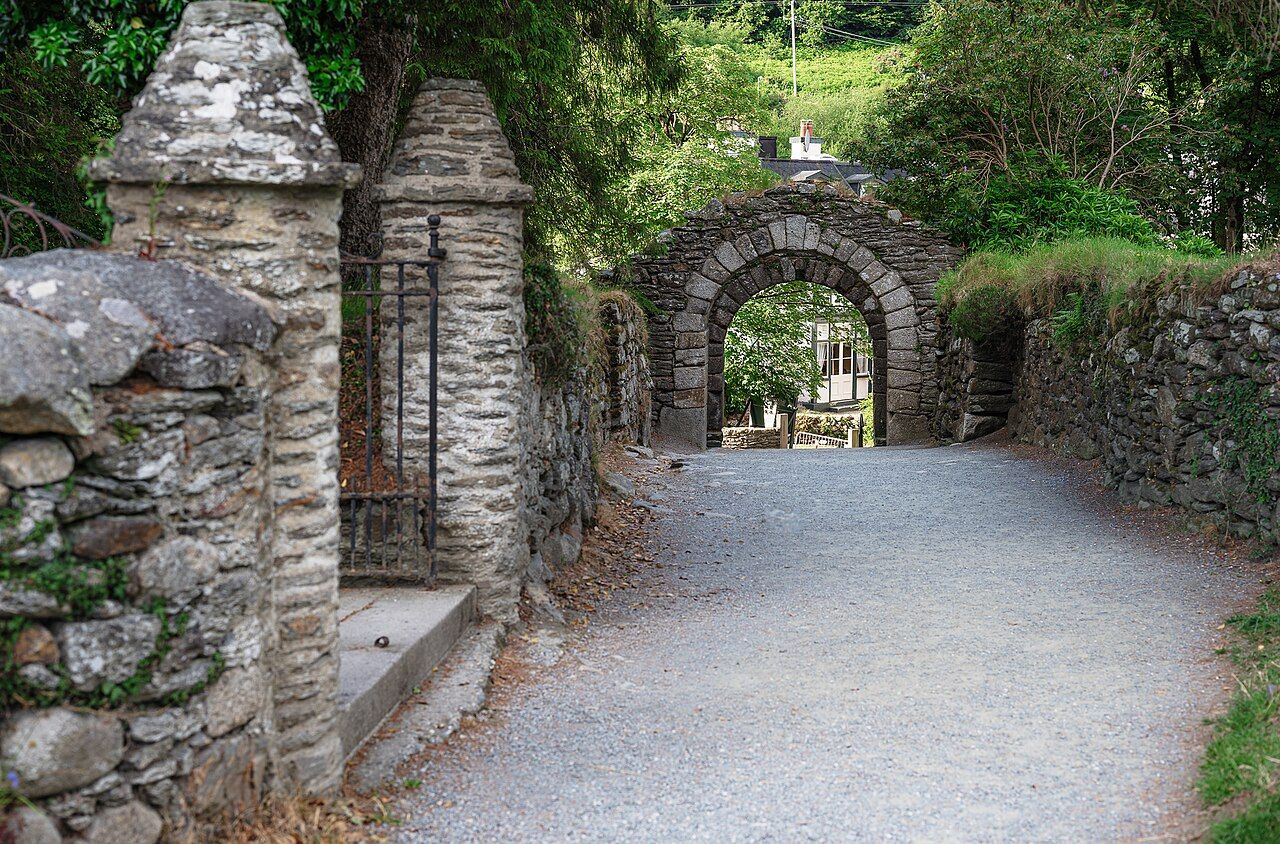
Glendalough
“Hermit” is the word I keep returning to at Glendalough, though the story that stays with me is smaller: a hand held out in prayer, and a blackbird.
St Kevin, Cóemgen in Irish, came to Glendalough to live as a hermit and later founded the monastery. The story keeps that life close to the ground.
One story says a blackbird laid her eggs in his outstretched hand while he prayed. He stayed still until they hatched; I find the patience almost harder to picture than the bird.
Its measure is the stillness itself, and the small, demanding fact of eggs resting in a hand.
Seamus Heaney wrote a poem about it, St Kevin and the Blackbird. I like that the story could travel into a poem without losing its quiet centre.
Turn to Laragh, where the roads meet
At Glendalough, Kevin’s beginnings as a hermit sit beside what followed: a monastery, and a pilgrimage site. The story has room for both solitude and return.
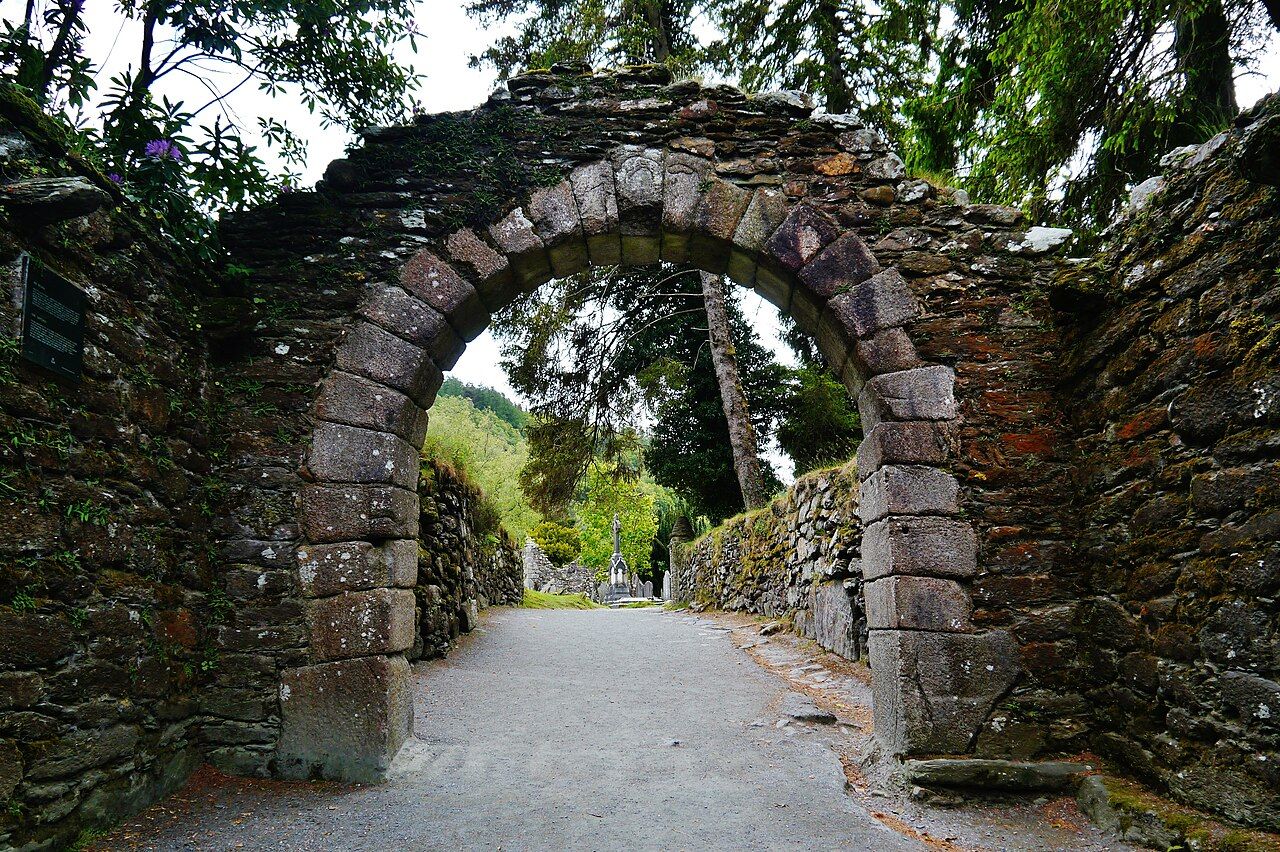
The name St Kevin's Kitchen draws the eye back to Kevin, but the blackbird story is the detail I carry with me.
It does not ask for a grand explanation. A man prays; a bird lays eggs in his hand; he remains still until they hatch. That is enough.
Glendalough became a pilgrimage site, and seven visits were once said to equal one pilgrimage to Rome. I find the arithmetic more memorable than any grand claim.
Seven visits: a figure that makes devotion sound both measured and intimate. I cannot help wondering how the blackbird would have understood all that counting.
Kevin’s feast day is 3 June. The date gives the story a place in the calendar, though its quiet patience resists being confined to one day.
His name also reaches toward the Glen of Imaal and Dwyer's cottage, while the story itself remains rooted in the hermit and his blackbird.
I like this story best without embellishment: a life begun in solitude, a monastery founded later, and one bird that changed the scale of the telling.
What else might remain still beside that hand?