Wicklow · Coast and towns
Wicklow town, harbour and gaol
A day through Wicklow’s layers: its Norse name, the old gaol, the harbour ruins of Black Castle and the town monument to Captain Robert Halpin.
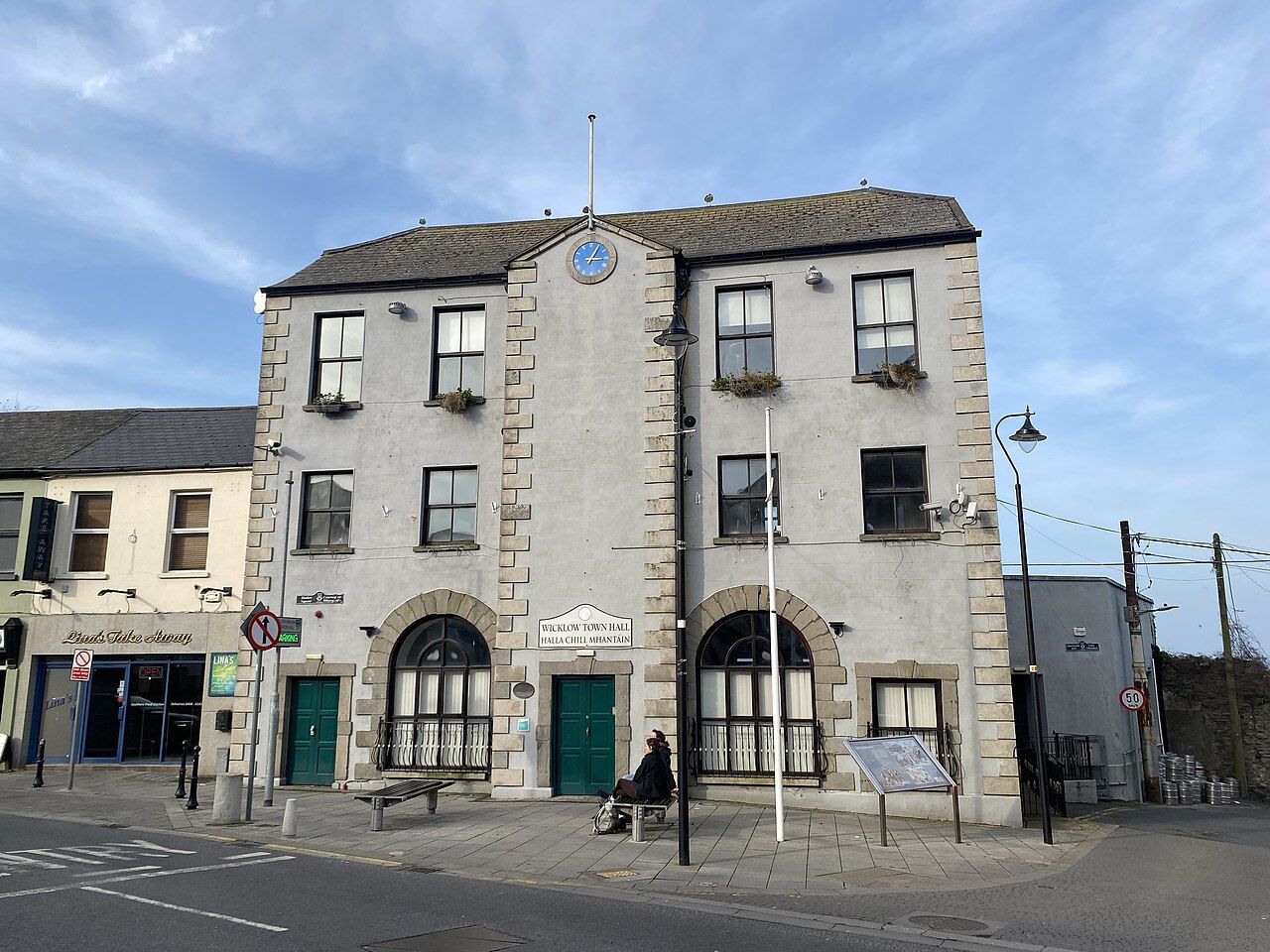
1702 is where I would begin, not because a day in Wicklow town needs to be counted, but because the gaol gives its history a firm point of entry. Wicklow is the county town of County Wicklow, at the mouth of the River Vartry, and the harbour belongs in the same first impression.
Morning is a good time to hold the name beside the place. Wicklow comes from the Old Norse Víkingaló, often taken to mean the meadow or bay of the Vikings. I like the uncertainty inside that meaning: meadow or bay, neither quite willing to settle. The harbour makes the second possibility easy to keep in mind, while the river mouth gives the town another edge.
I would let the morning stay with the shape of the place before moving into its harder history. A name can suggest a beginning without explaining everything that follows, which is convenient; towns are rarely so obliging as their labels.
At midday, Wicklow Gaol changes the scale of the story. It opened in 1702 and held prisoners for over two centuries, including rebels of 1798. Some prisoners were transported from there to Australia. Those facts are severe enough without decoration, and I would rather leave room around them than turn the gaol into a prop for a dramatic tale.
The rebels bring another Wicklow story into view, though not an easy one to compress into a visit: 1798 in the Wicklow hills offers a related thread. The gaol’s long use is the detail that stays; “over two centuries” is a plain phrase with an unusually long shadow.
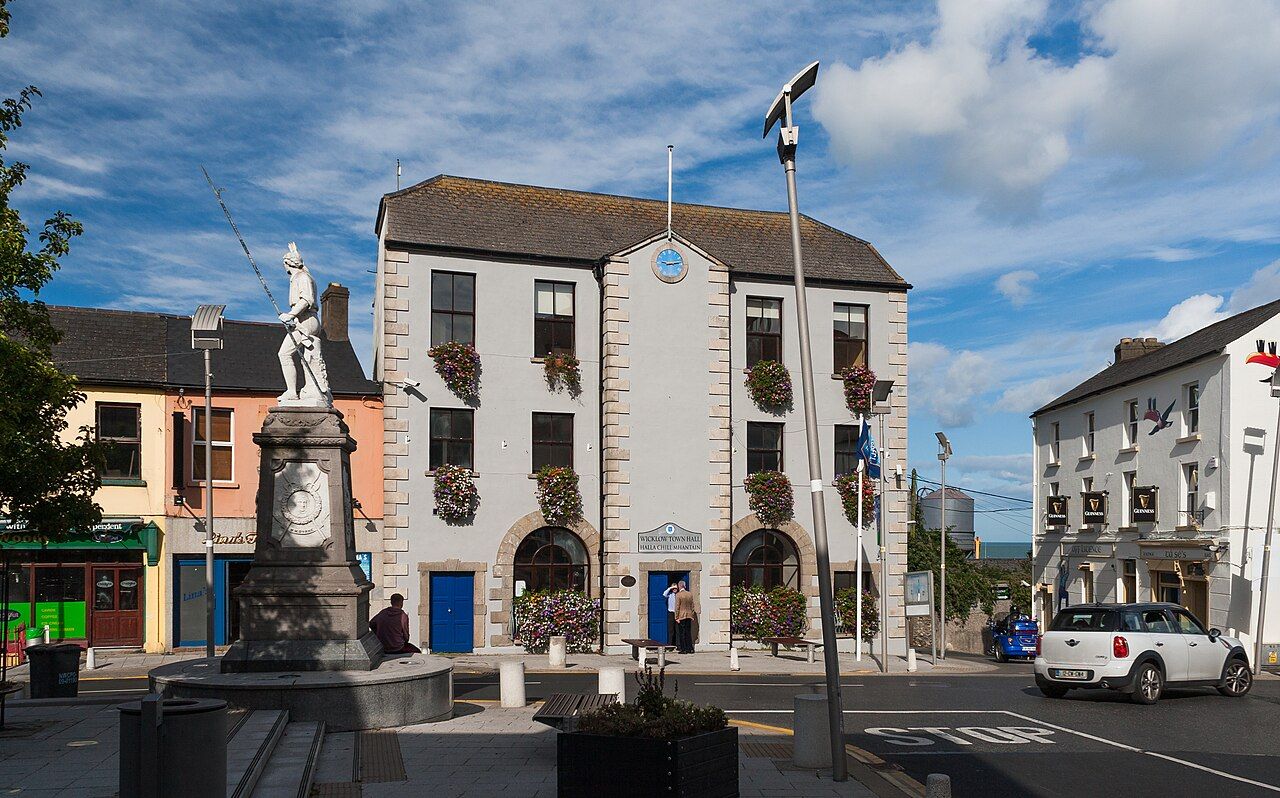
Late afternoon belongs to the harbour and the Black Castle. Its ruins stand on a headland by the harbour, built by the Normans, and I prefer the directness of that description to any grand claim about them. Headland, harbour, ruins: the words do enough work on their own.
Back in town, a monument remembers Captain Robert Halpin, who commanded the ship that laid the transatlantic cable in 1866. The monument gives the day a different measure: not the gaol’s long passage of time, but a single named command attached to the laying of a cable in 1866. I would keep this for the later part of the day, when the harbour has already put the town’s maritime setting in mind.
For a different Wicklow subject, I would turn to Kilmacurragh arboretum another time; this day has enough to hold between the river mouth, the gaol and the harbour. Wicklow town does not need an elaborate itinerary. Morning for its name, midday for the gaol, late afternoon for the ruins and the monument: a simple order, and a bad knee can approve of simplicity.
Turn to Bray, measured along the seafront
I leave the harbour in the day’s final frame, with the town’s past still running in several directions. Which part would stay with me longest?