Wicklow · Old Wicklow
1798 in the Wicklow hills
An ordered way into Wicklow’s 1798 story: the rising, the mountain holdouts, Michael Dwyer’s surrender, and the road built to control the hills.
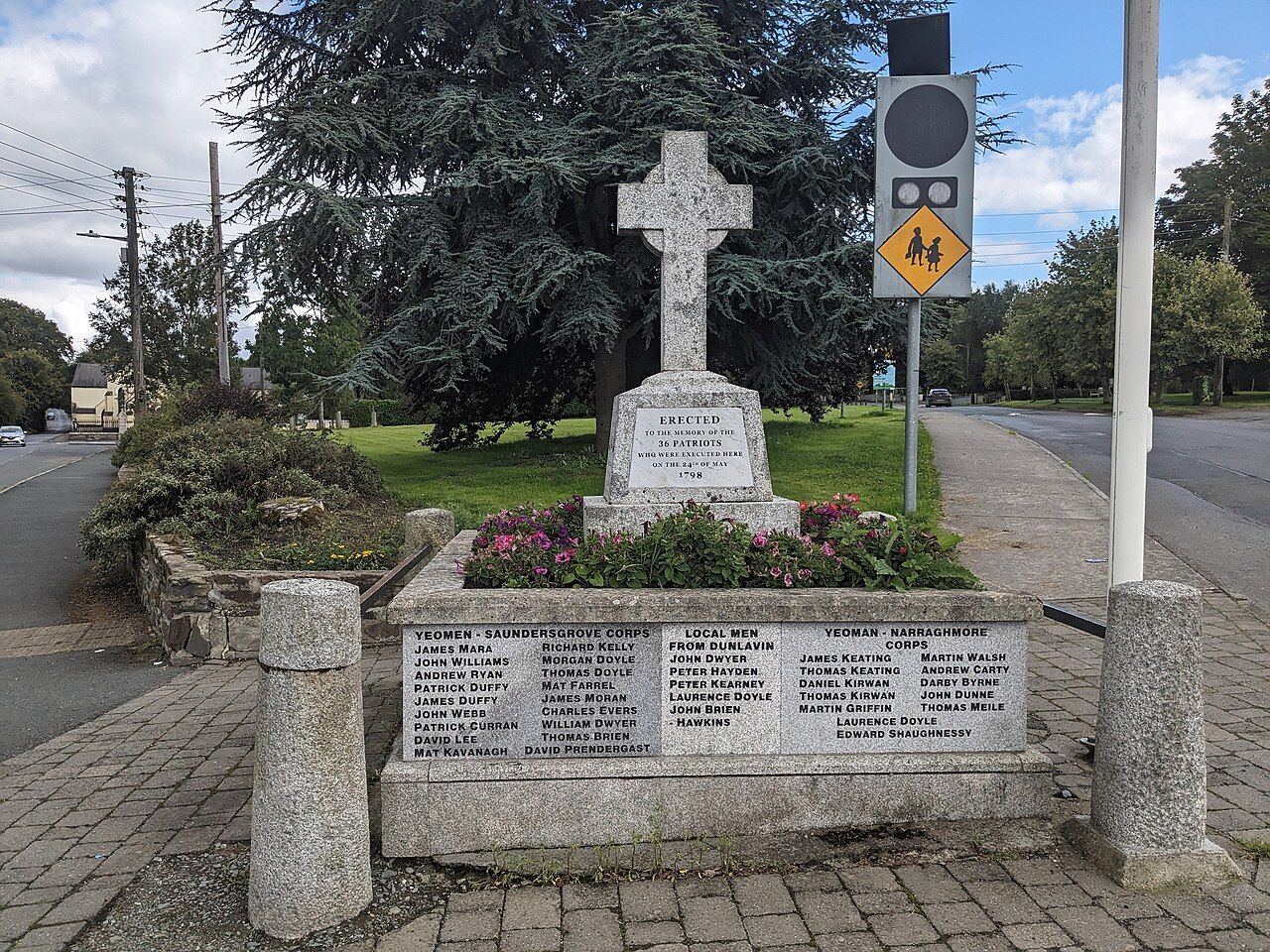
1798. I would begin with the number, then the rising it names: the United Irishmen’s rebellion against British rule. Wicklow was one of the counties where fighting was heavy, and that fact gives the place a history that is difficult to leave at the edge of a walk.
First. Hold the rebellion and the county together in your mind. The story is not simply of a rising, then a defeat; in Wicklow, groups of rebels held out in the mountains afterwards. I like this as a way into the landscape: the mountains belong to the story, rather than serving as its scenery.
Turn to Shillelagh and the old oak woods
Next. Let the sequence stay plain. The rebels were defeated, and groups held out in the Wicklow Mountains. I would not hurry to turn that into a tidy tale of escape or victory; the facts leave the holdouts there, in the mountains, with the outcome still unsettled.
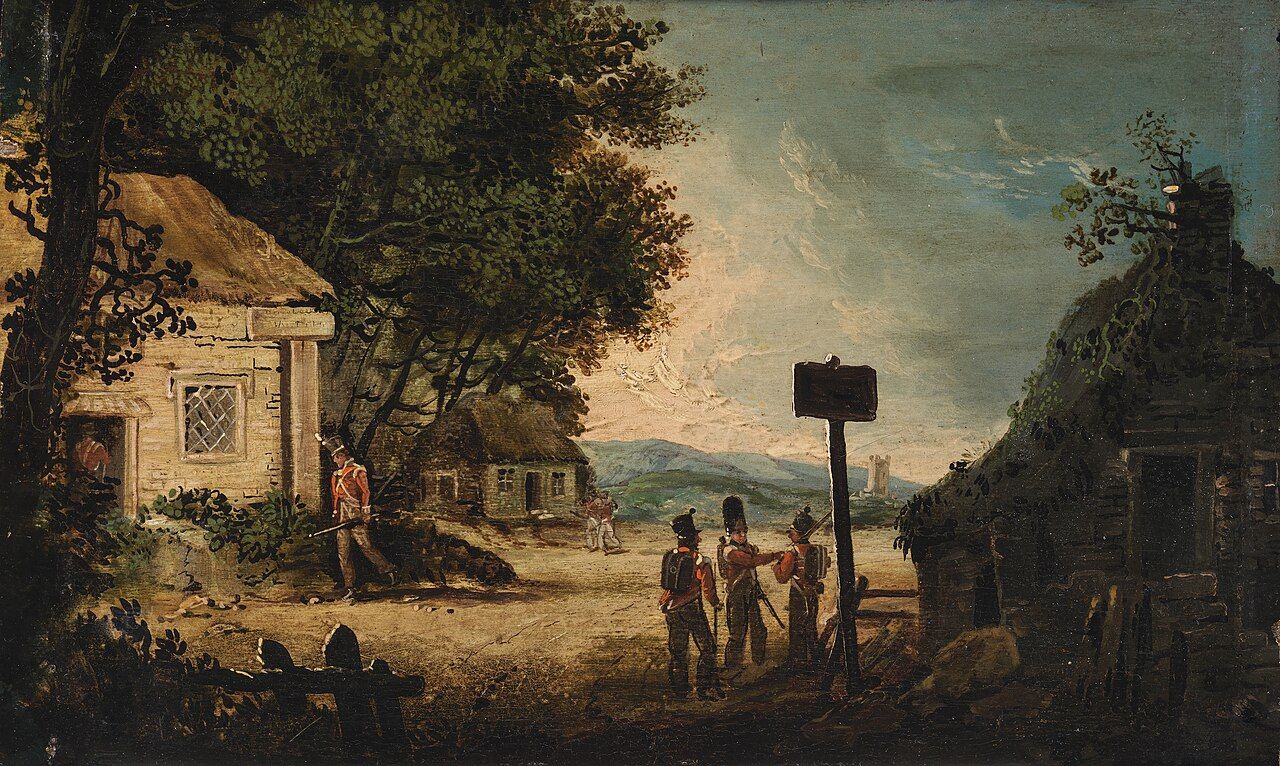
Then. Put Michael Dwyer at the centre of the next part. He led a group in the mountains until he surrendered in 1803. That is a long aftermath to hold in view, and the exact year matters more to me than any grand retelling I could attach to it.
After that. Follow the story beyond the county, without pretending it ends at the point of surrender. Dwyer was transported to Australia and later became a high constable in Sydney. I find that turn striking: a Wicklow mountain story carries on in another place, under a very different title.
Next. Bring the Military Road into the picture. It and its barracks were built to control the mountains after the rebellion. I would read that as part of the aftermath, not as a separate piece of useful history: the road belongs to the same attempt to bring the mountain holdouts under control. I find the road a hard, plain answer to the rebellion.
Finally. Take the account in order, from rising to defeat, from the groups holding out to Dwyer’s surrender, and then to the road and barracks. That is enough to make the journey through the history feel deliberate; extra drama would only get in the way. My bad knee is quite content with a story that asks for no grand march.
My preference is for the history that stays close to the hills and leaves the neat ending alone.