Roundwood · Old Wicklow
Vartry and Dublin’s water
At Roundwood, a Victorian reservoir makes the journey from Wicklow water to Dublin feel plain, deliberate and oddly companionable.
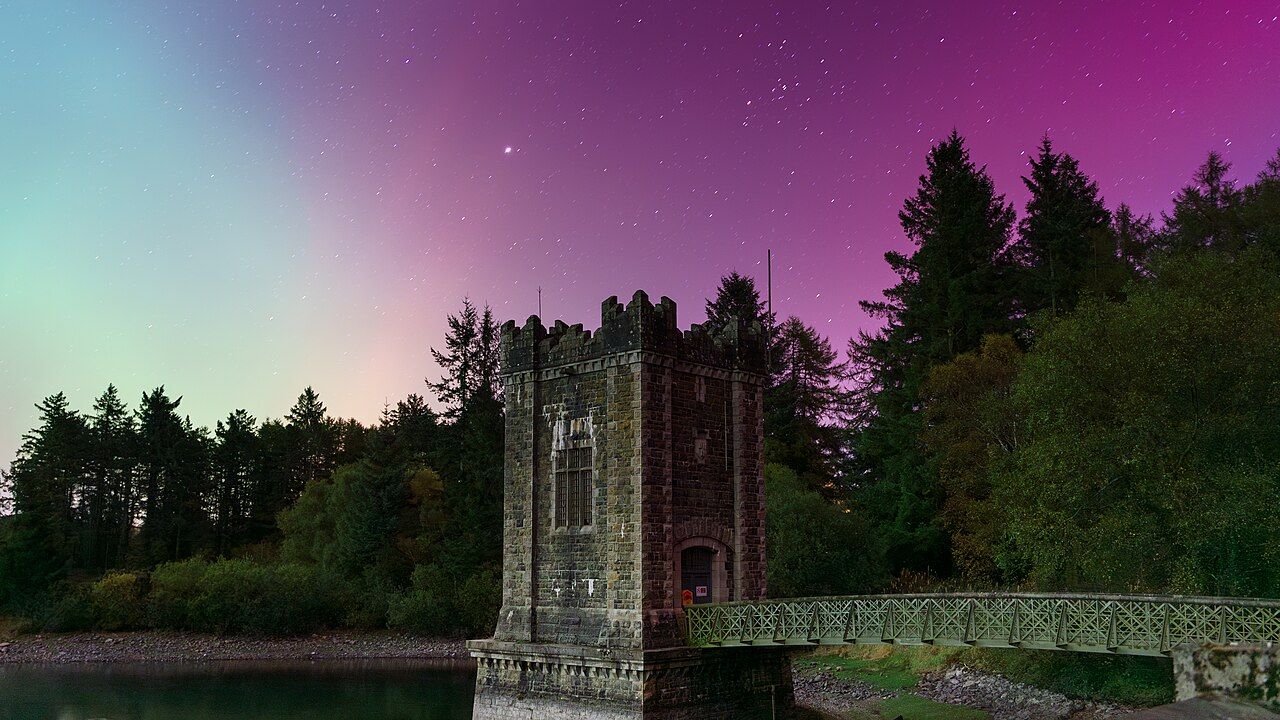
Roundwood
1860s: the Vartry Reservoir near Roundwood was built to supply water to Dublin. I would begin the visit in the morning with that fact, because it gives the place its scale without asking for grand words. This is not simply water beside a village; it is part of a scheme made to carry water towards a city. I like the idea that a walk can start with such a practical purpose and still leave room for looking.
Roundwood is beside the reservoir and is often called the highest village in Ireland. The wording has a nice restraint: often called, rather than announced as a contest winner. I find the village and reservoir belong together in the mind, even if the story here is chiefly about water. The hills have their own claim on attention, in Sika deer on the hills, but I would let the reservoir set the pace first.
Vartry Reservoir
By midday, I would follow the walking paths that run beside the reservoir. The simple fact of walking beside water is enough for me. I like a path with a clear companion, and here the reservoir is not background scenery but the reason this place matters. The engineering gives the walk a second subject, though it never has to interrupt the view.
I like the quiet logic of water moving by gravity towards a city.
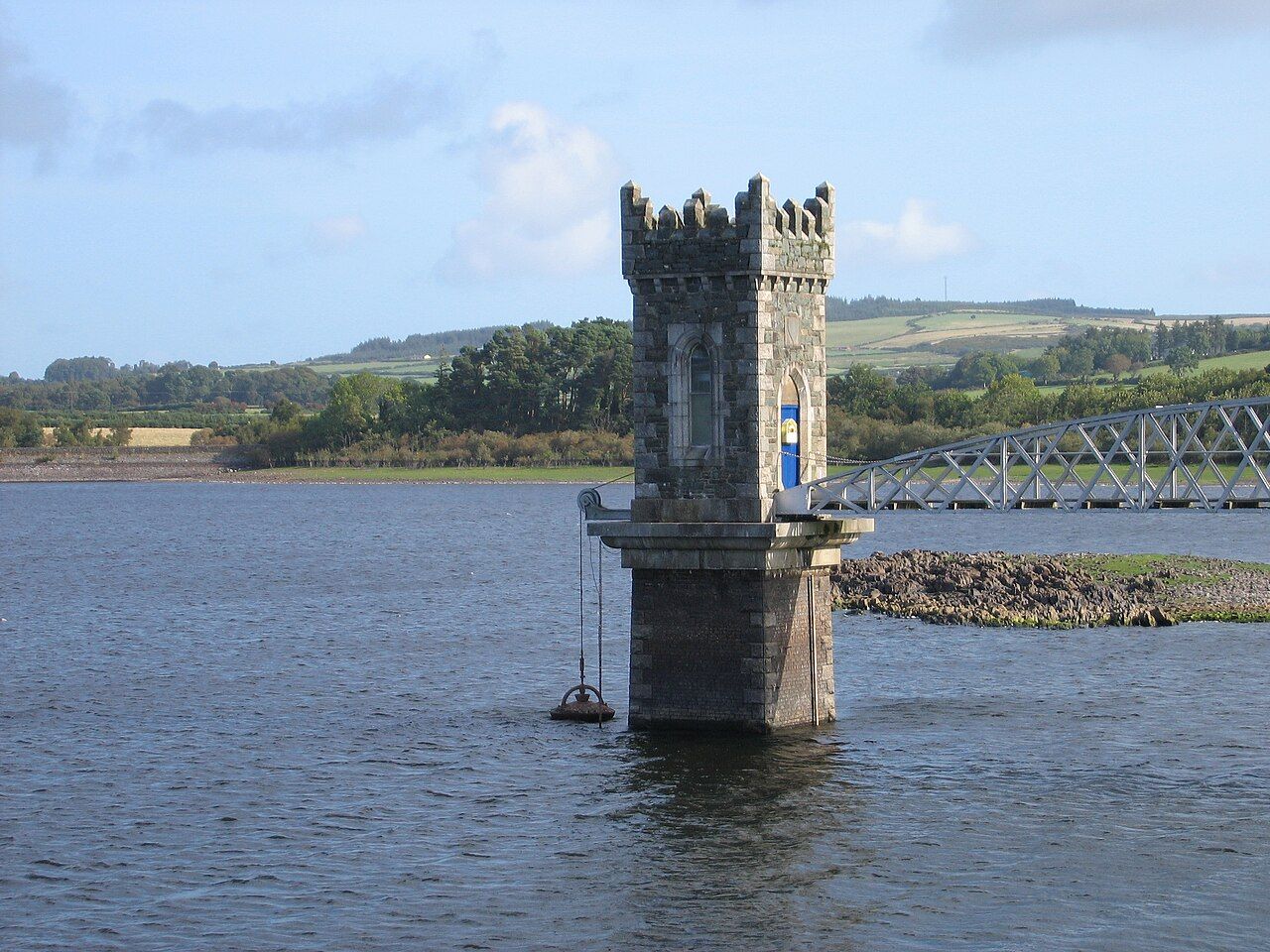
“I like the quiet logic of water moving by gravity towards a city.”
The scheme was designed by the engineer Parke Neville, and water flows through pipes and tunnels to Dublin. I keep returning to that unshowy movement: gravity doing the work, a long route joining a reservoir near Roundwood with the city it supplies. For me, this is the most absorbing part of the visit, less a lesson to memorize than a useful way to see the landscape. The practical and the beautiful need not take turns.
A second reservoir was added later. I would keep that fact beside the first rather than turn it into a timeline; the account is spare, and the place does not need embellishment. Late afternoon seems right for letting the walk taper off, with the water still carrying the thought of the city beyond it. I am fond of landscapes that explain themselves through what they do.
Turn to The Wicklow year
Vartry holds my attention because its purpose is so legible, yet walking paths give that purpose room to become a personal view. I would leave with one question still open: how often does a city think about the water’s beginning?