Wicklow · Old Wicklow
Wicklow on screen
A simple way to read Wicklow through its film locations, from Braveheart and Vikings to Ballykissangel, Glendalough and the Sally Gap.
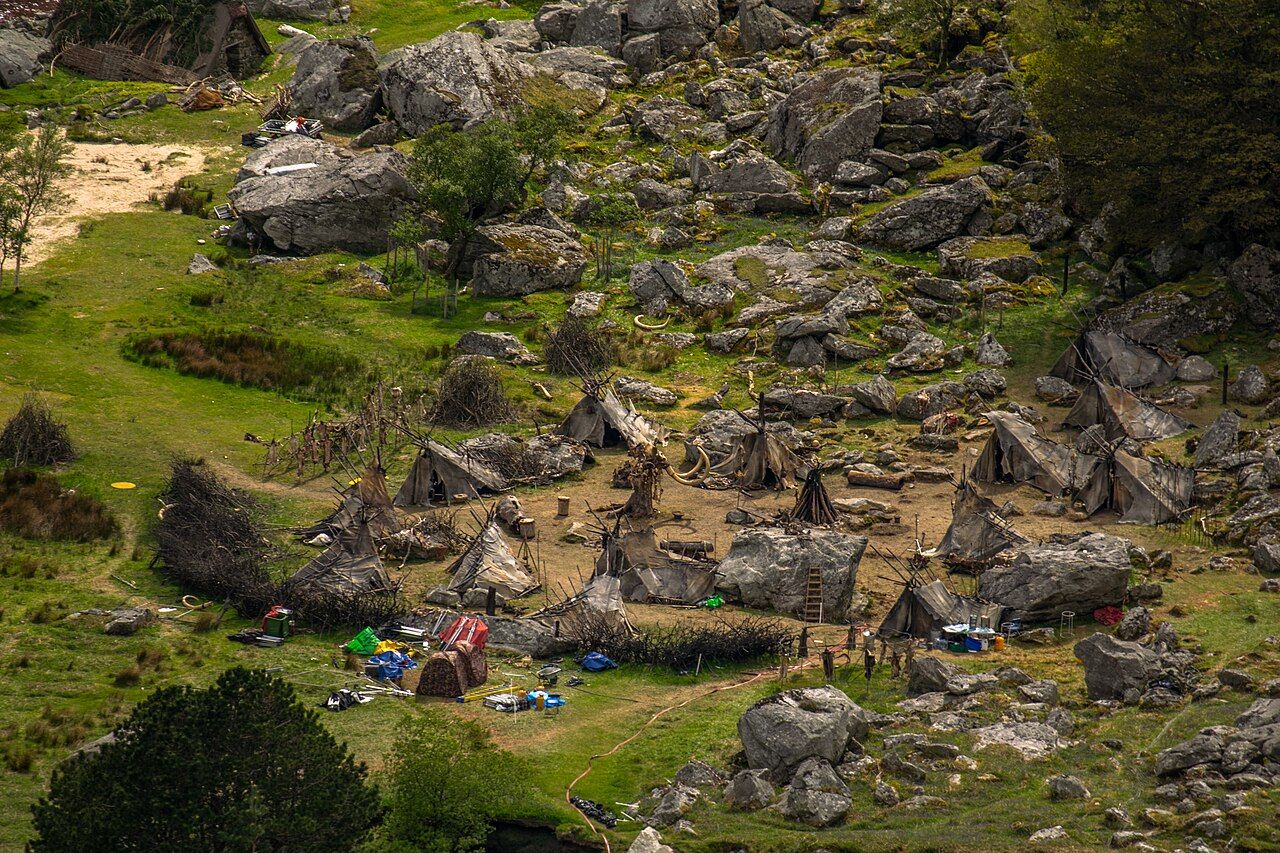
Begin with the broad reason Wicklow keeps appearing on screen: its scenery and its closeness to Dublin have made it a film location for decades. I would hold on to both parts of that explanation. The county offers a setting, but it is also near a city; place and practicality sit together here. That is a better starting point than trying to make every filming location into a separate attraction. For me, the useful thread is the pairing itself: scenery gives Wicklow its screen appeal, while closeness to Dublin helps explain its repeated use as a location.
Next, take Braveheart as a reminder to keep the claim modest. Parts of the film were shot in Wicklow; that does not name a particular spot for every scene, and I would not pretend otherwise. The useful thought for a visitor is that a film’s sense of elsewhere can come from a real county close to Dublin. I like that contrast more than a hunt for a single exact frame.
Then turn to Vikings, which used Lough Tay and other Wicklow locations. Let Lough Tay be a named point in the story, not a promise that every screen image can be matched to a place. The other locations belong to Wicklow too, though their names are not all part of this account. It is enough to notice how a series can draw on more than one setting within the county.
Make Avoca the next stop in your mental map, because Ballykissangel was filmed in the village. Here the connection is wonderfully direct: a named village, and a named series. I find that kind of link easier to hold on to than a list of anonymous landscapes. It gives the screen story a place-name, without requiring the village to perform as a set for anyone arriving with the programme in mind.
Finish with Glendalough and the Sally Gap, both of which have appeared in many films. I would leave room for the fact that a location can serve more than one story; there is no need to attach a single film to each view. Wicklow’s scenery is part of why filmmakers have used the county, and these two names make that connection especially clear. Keep the map broad, and let the places be places first.
Turn to Vartry and Dublin’s water
My favourite way to follow Wicklow on screen is by its place-names, not by chasing a perfect match.