Kippure · The high ground
Kippure and the Liffey’s beginning
A mountain on the Dublin–Wicklow border, a television mast on its summit, and the river rising on the bog nearby: Kippure makes a spare, memorable picture.
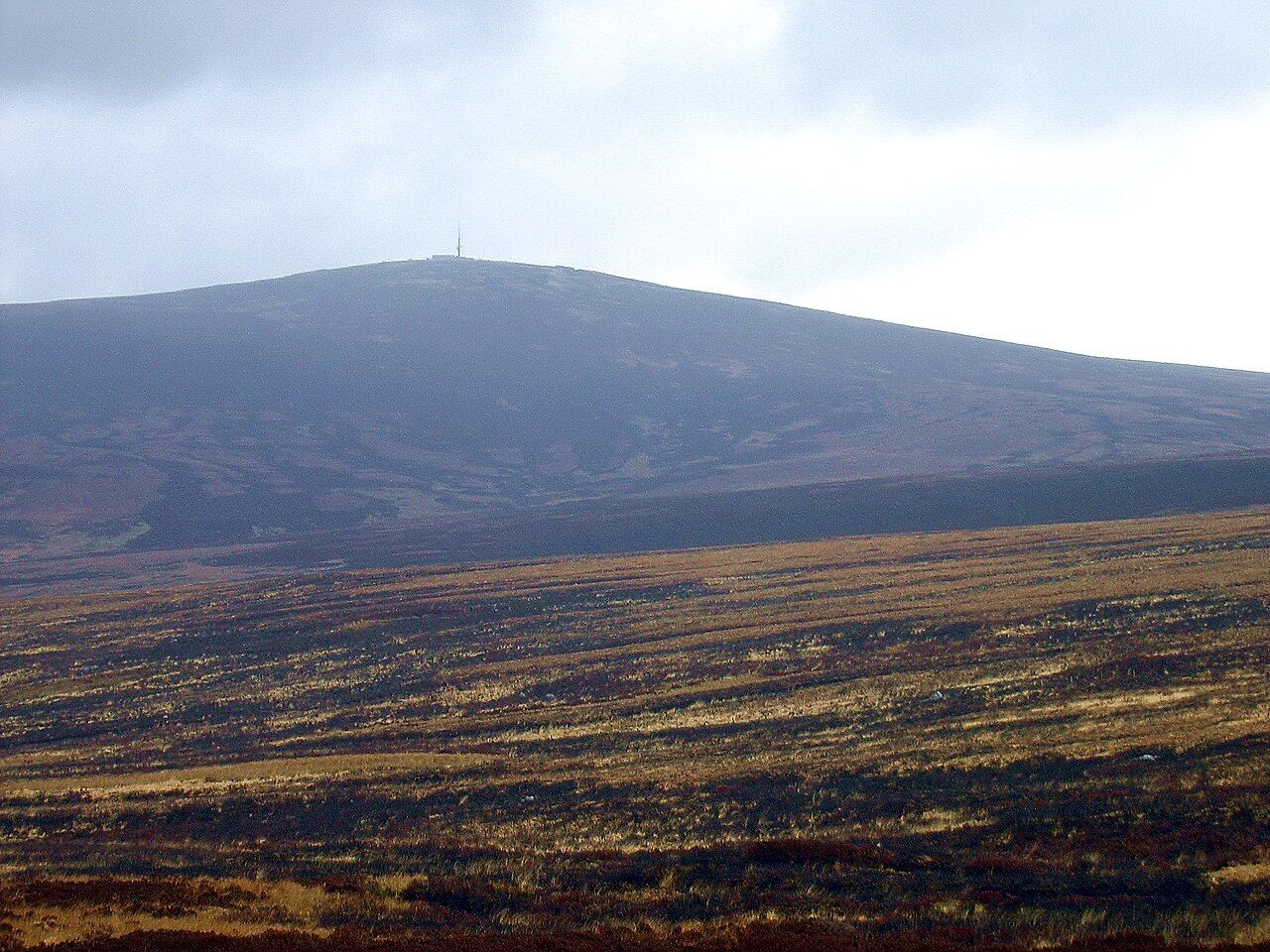
Kippure
757 metres gives Kippure its measure; the television mast on its summit gives the mountain its unmistakable punctuation. It stands on the border of Dublin and Wicklow, a fact that makes the summit feel like a meeting point, even before the river enters the story. I like this blunt arrangement of landmark and border; the mast is easy to see in the mind, while the boundary belongs to the map.
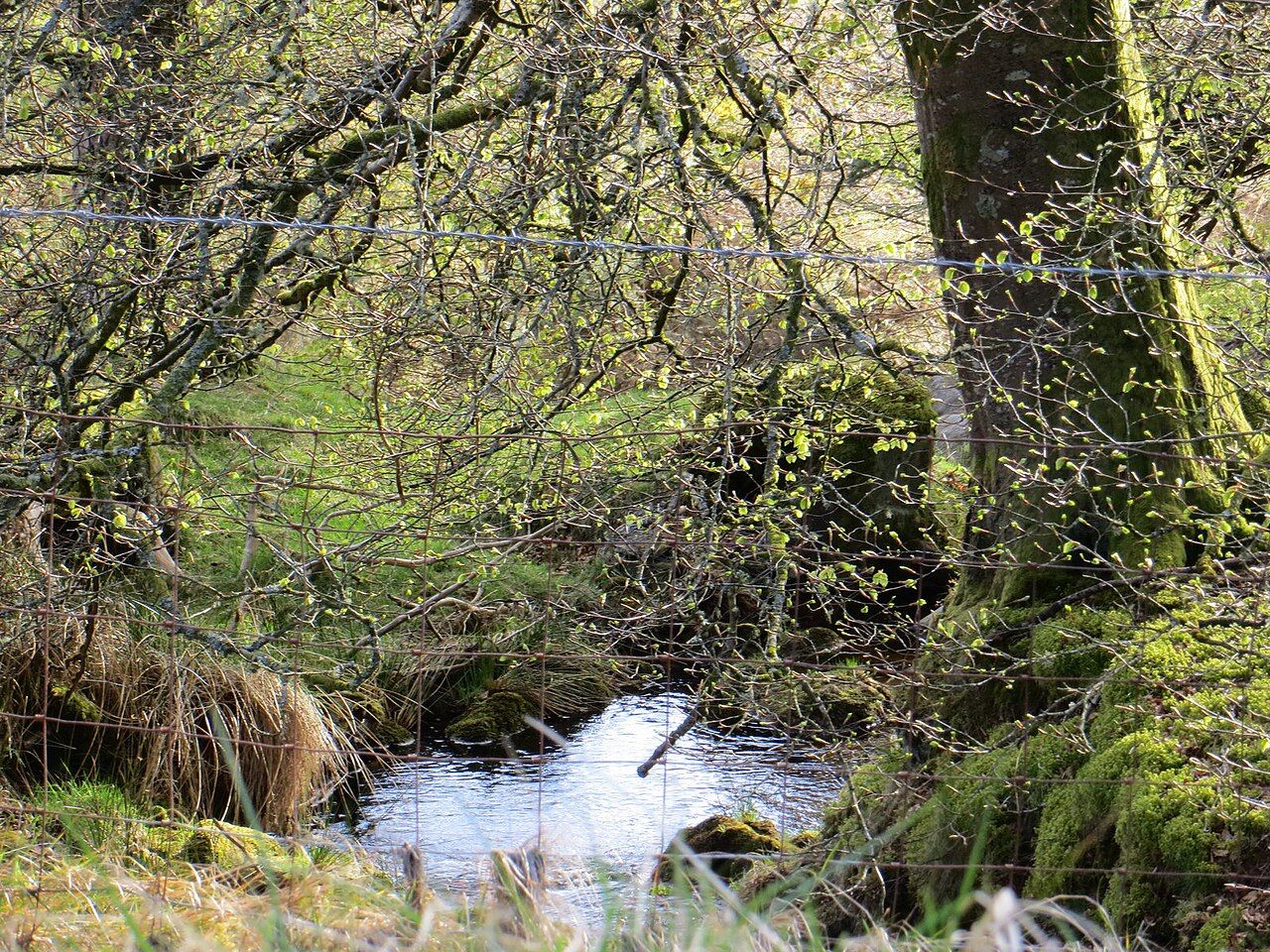
The mast is an easy detail to hold in mind, but I prefer the quieter one: the River Liffey rises on the bog near Kippure. A river begins here without ceremony, in the company of a mountain whose summit has acquired a very visible piece of human engineering.
Turn to Down to Lough Dan
From that beginning, the Liffey flows south-west through the Blessington lakes, then turns north and east to Dublin. The direction changes are part of the pleasure of thinking about it: a river with a start beside Kippure, and a course that keeps unfolding away from it.
Lough Bray Upper and Lough Bray Lower lie below Kippure, both corrie lakes. Their position makes the mountain feel less like a single summit than a set of relationships: bog, water, and high ground gathered close together. My bad knee would rather admire the descents from a respectful distance.
The road over the Military Road passes near Kippure’s foot. That practical fact gives the mountain a place in the landscape beyond its height and mast, though I find the river’s beginning the more compelling detail. The road passes; the Liffey carries on.
I find myself thinking of Shillelagh and the old oak woods as another name to keep beside Kippure, without needing to make the places tell the same story. Here, the essential picture is spare: summit, mast, bog, and water beginning its long turn towards Dublin.
Kippure’s best detail is that a river starts beside it.