Djouce · The high ground
Djouce, the Wicklow Way and White Hill’s boardwalk
A mountain crossed by the Wicklow Way, with a boardwalk over White Hill, Lough Tay on the ridge and sea views from the summit.
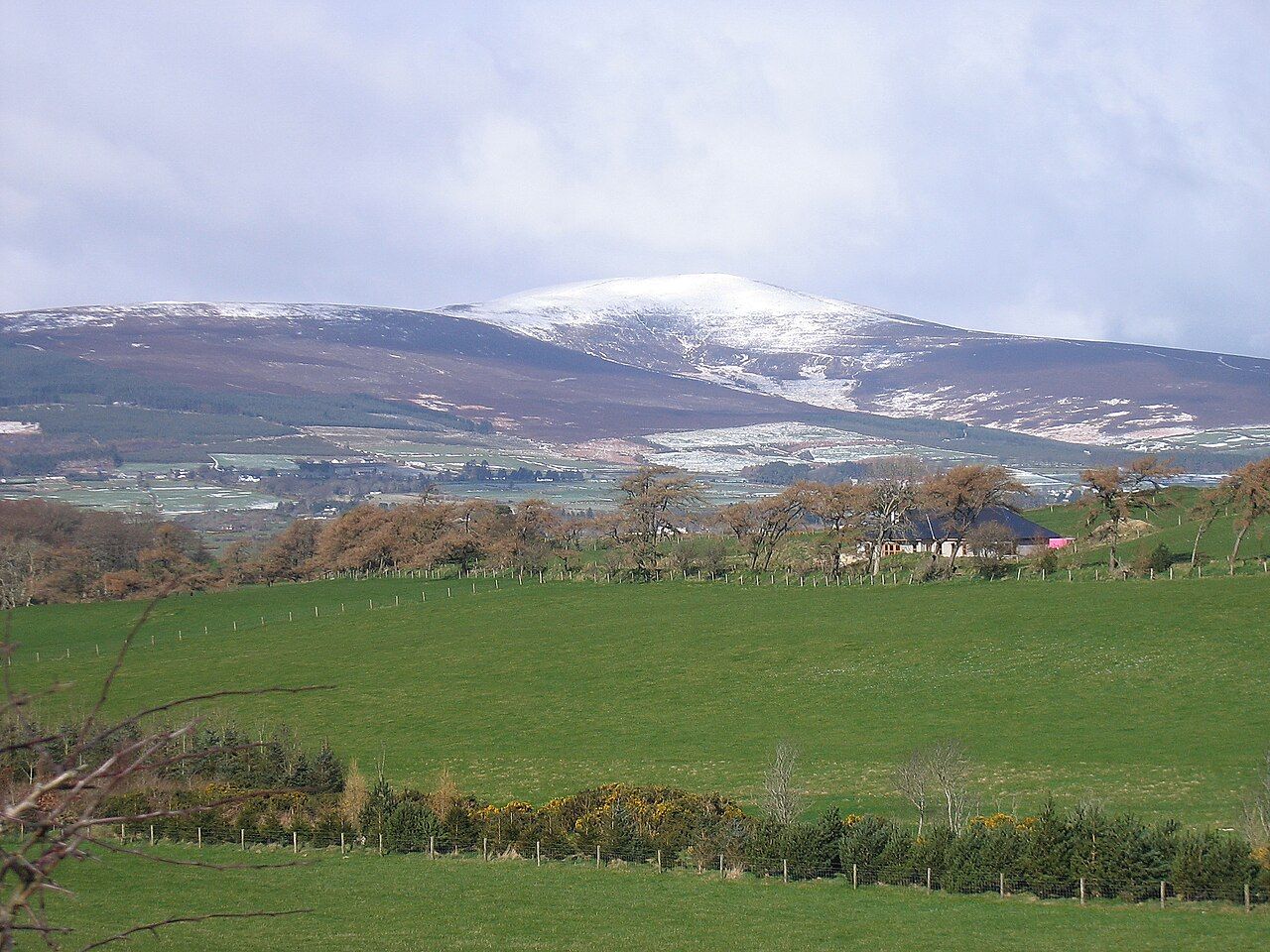
“The sea” sounds modest for a summit view, but Djouce rises to 725 metres in the north-east of the Wicklow Mountains, with Wales in reach on clear days.
Turn to Glencree, from barracks to peace
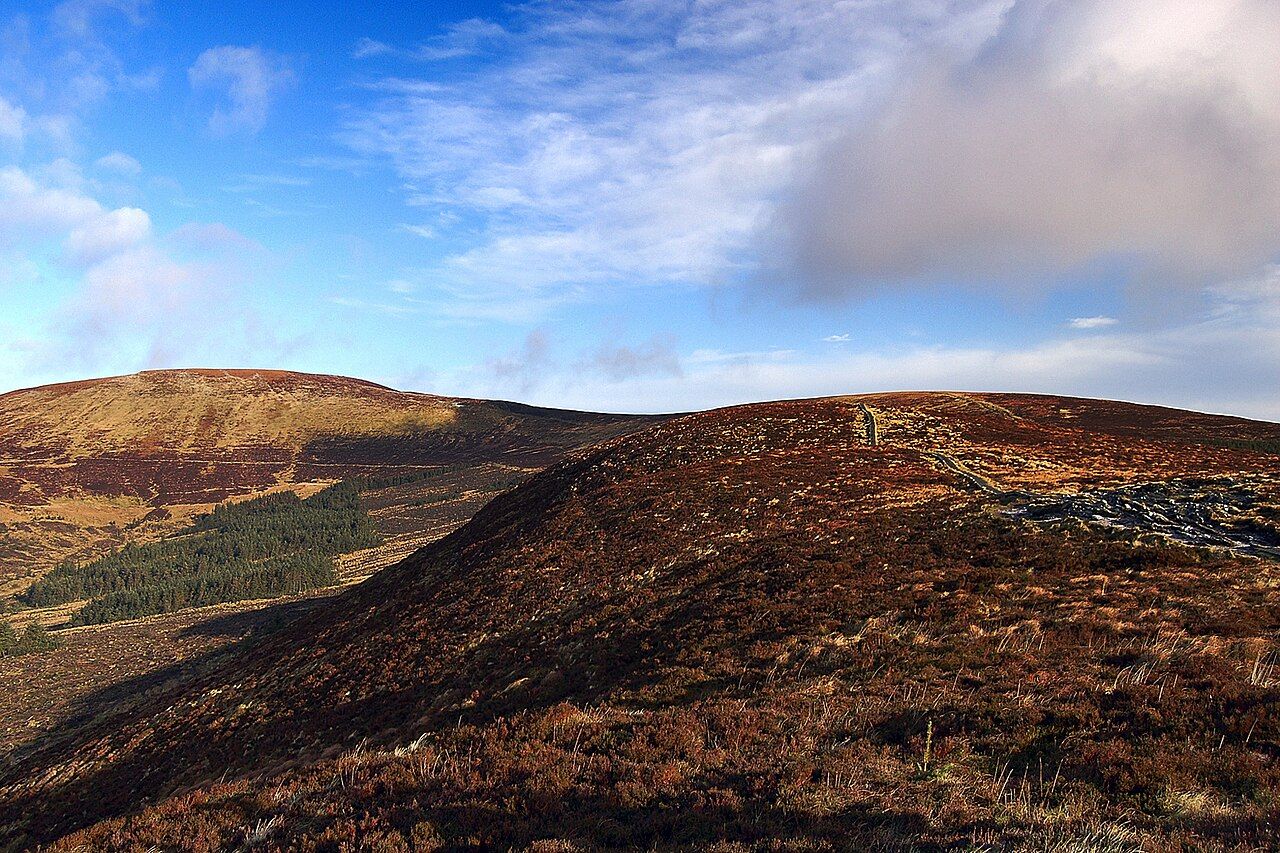
Begin by placing Djouce in the Wicklow Way rather than treating the mountain as a detached viewpoint: the Way crosses its shoulder, and the long boardwalk runs over White Hill. I like this as an introduction, because the route gives the mountain a line through it before the summit takes over the story. I would keep that crossing as the first instruction: the shoulder is not a preface to the mountain, but the way the Wicklow Way meets it.
Follow the boardwalk across White Hill and let its plain purpose stay in view. It was built to protect the bog from erosion, a practical reason that needs no grander explanation; the boardwalk does not have to pretend it is anything other than a boardwalk, which is more than can be said for some of us. Its length matters to the walk’s character, though the reason for it is simply protection of the bog; I like that useful restraint.
Keep the ridge in the sequence, because Lough Tay can be seen from there. I find that a useful counterweight to the summit’s larger reach: the ridge offers a particular view, while the mountain keeps unfolding beyond it, without requiring a new claim about what lies around the next turn. I would pause with that view rather than hurry it into the summit account; there is already enough difference between ridge and summit to make the sequence worthwhile.
Make the summit the point for the wider view. From there the sea comes into sight, and on clear days the view reaches Wales as well; I prefer this scale to a list of attractions, since the land itself has already supplied the argument. The sea is the defining reach for me, and Wales gives the clear-day view a precise edge without making every day answer to it.
Look down to the river below, where Powerscourt Waterfall lies. It is the highest waterfall in Ireland, and that fact gives the view another anchor, without stealing the attention from Djouce or turning the mountain into a checklist.
Leave room in the Wicklow picture for a different landscape: Brittas Bay and the dunes is a useful coastal counterpoint to the mountain’s sea-facing summit. I would keep the distinction clear; Djouce is a mountain crossed by the Wicklow Way, not a walk along the shore.
Djouce is at its best when the boardwalk and the view share the page.