Wicklow Way · The high ground
The Wicklow Way, in three parts of a day
Ireland’s first waymarked long-distance trail opens into a walk measured by bog boardwalks, a memorial above Lough Tay and the patience of several days.
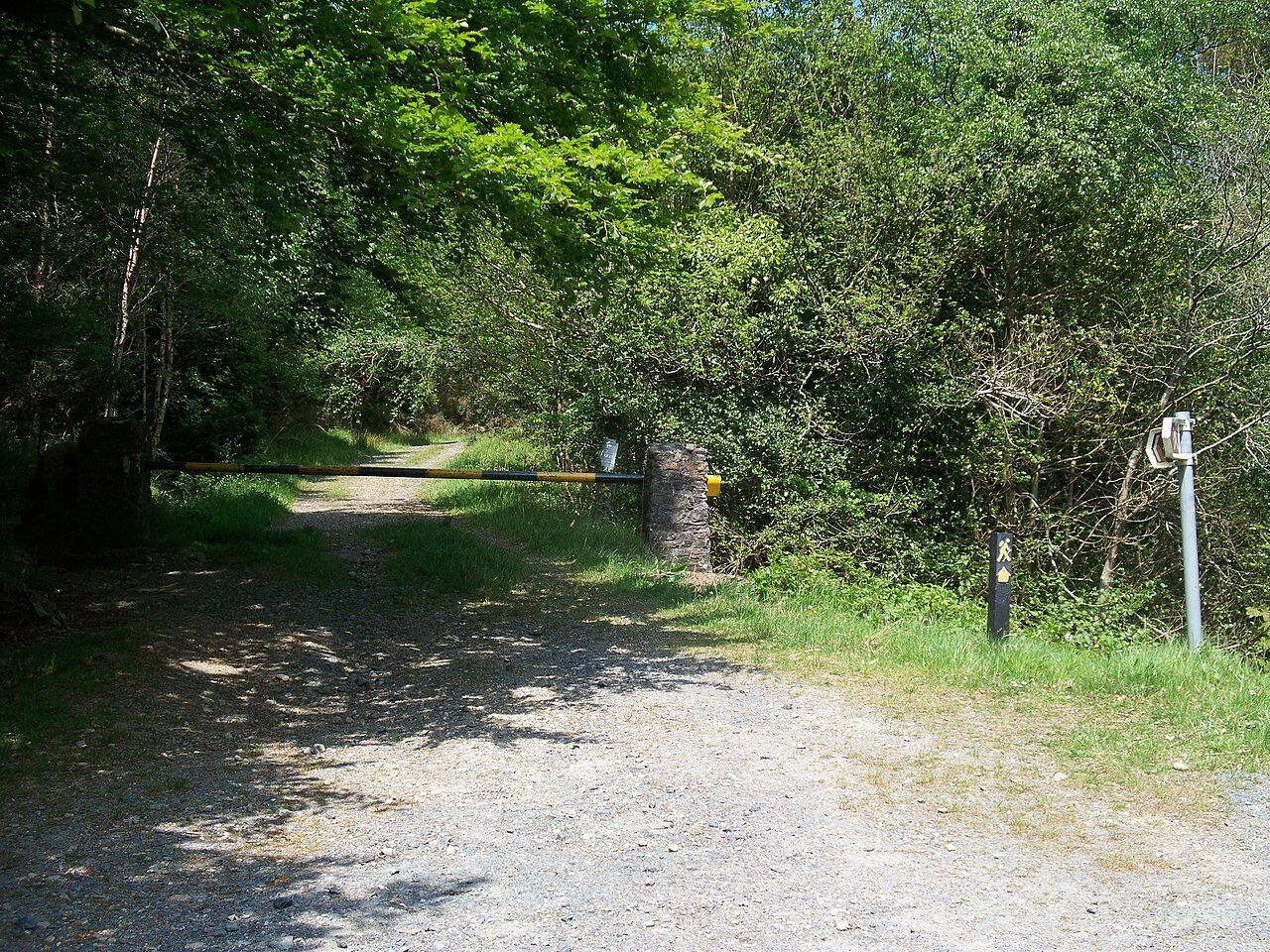
1980: the Wicklow Way opened as Ireland’s first waymarked long-distance walking trail. I like that plain beginning; it gives the route a history without asking the walk to perform one.
Morning is for considering what a long walk means before it becomes a count of days. Its place in Ireland’s walking history is already clear, and I prefer the quiet fact to a polished legend. J. B. Malone, a walker and writer, campaigned for the route. That is enough to make the trail feel personal, though I know nothing here of his particular reasons or days on the ground.
There is a memorial to Malone on the route above Lough Tay. I find that detail more affecting than a plaque’s usual claim to importance: a person who argued for a way through the landscape is remembered along it. I can imagine pausing over that connection, without pretending I have stood there.
At midday, the boardwalks over bog become the detail I keep returning to. Long sections of the Wicklow Way run on boardwalk, and bog is not a surface I can reduce to scenery. The boards make a direct line through it; I like that practical answer, and the contrast between a made path and the ground it crosses. My bad knee would still have its opinions about any descent, but it can wait until the route supplies one.
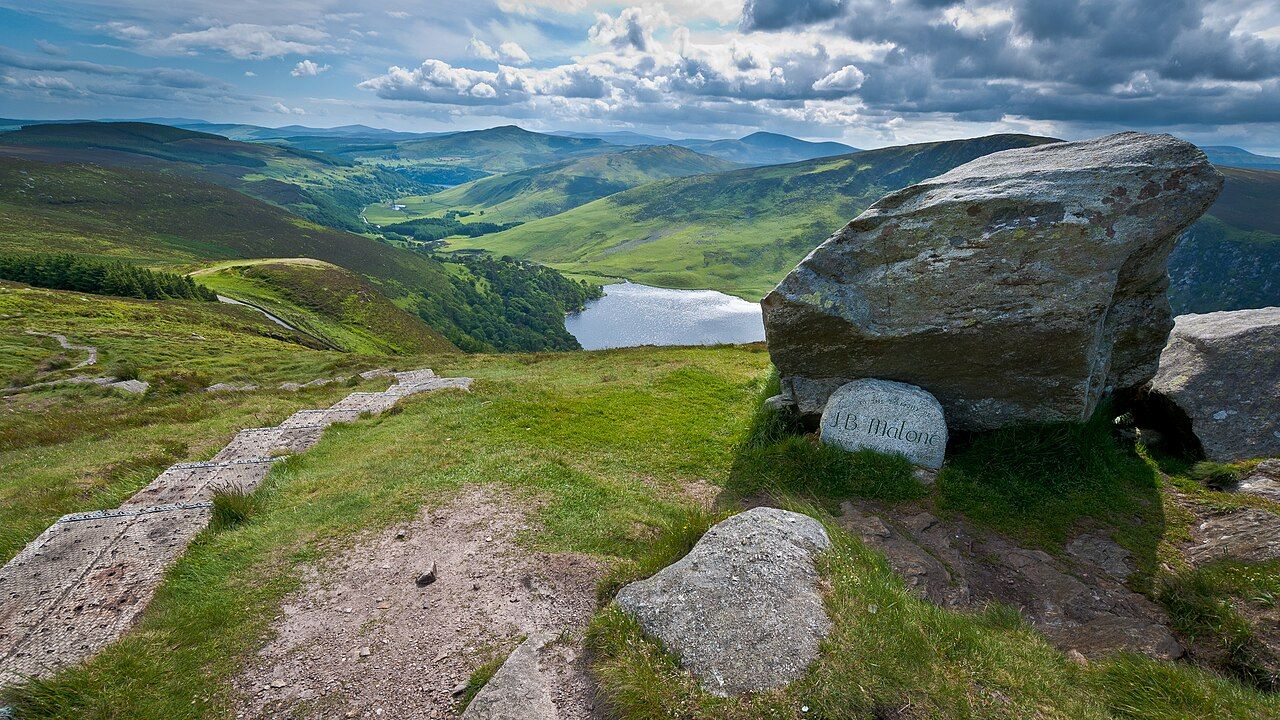
I find my thoughts wandering to Glenmalure the long glen, then to why Wicklow is called the Garden of Ireland. Those are enticing phrases, but neither tells me what this particular walk asks: days on foot, a route to follow, and enough attention for the ground under it.
Late afternoon is when I would stop treating the trail as a single line and let its length settle. The memorial above Lough Tay gives the route a human point of reference; the boardwalks give it a physical one. I like that the story can hold both without turning either into a grand revelation. A walking trail is allowed to be a way across, not a metaphor with its boots polished.
Most walkers take five to seven days to walk the Wicklow Way. That span seems right for a route whose appeal, to me, lies partly in giving the mind time to move at walking pace. I would not hurry the thought of it into a single afternoon, even if an afternoon is all I have to write about it.
Turn to The Military Road, from north to south
The route runs about 130 kilometres from Marlay Park in south Dublin to Clonegal in County Carlow. I like a trail that gives the day room to stretch, and the Wicklow Way sounds very good at that.